
Discover the detrimental effects of pesticides on garden biodiversity and explore sustainable alternatives. Learn how to protect your garden's ecosystem while maintaining plant health and productivity.
In recent years, the use of pesticides has become a contentious topic among gardeners and environmentalists. While these chemicals can be effective at controlling pests, they also pose significant risks to garden biodiversity. Understanding these impacts and exploring sustainable alternatives can help create healthier, more resilient garden ecosystems.
Understanding Pesticides
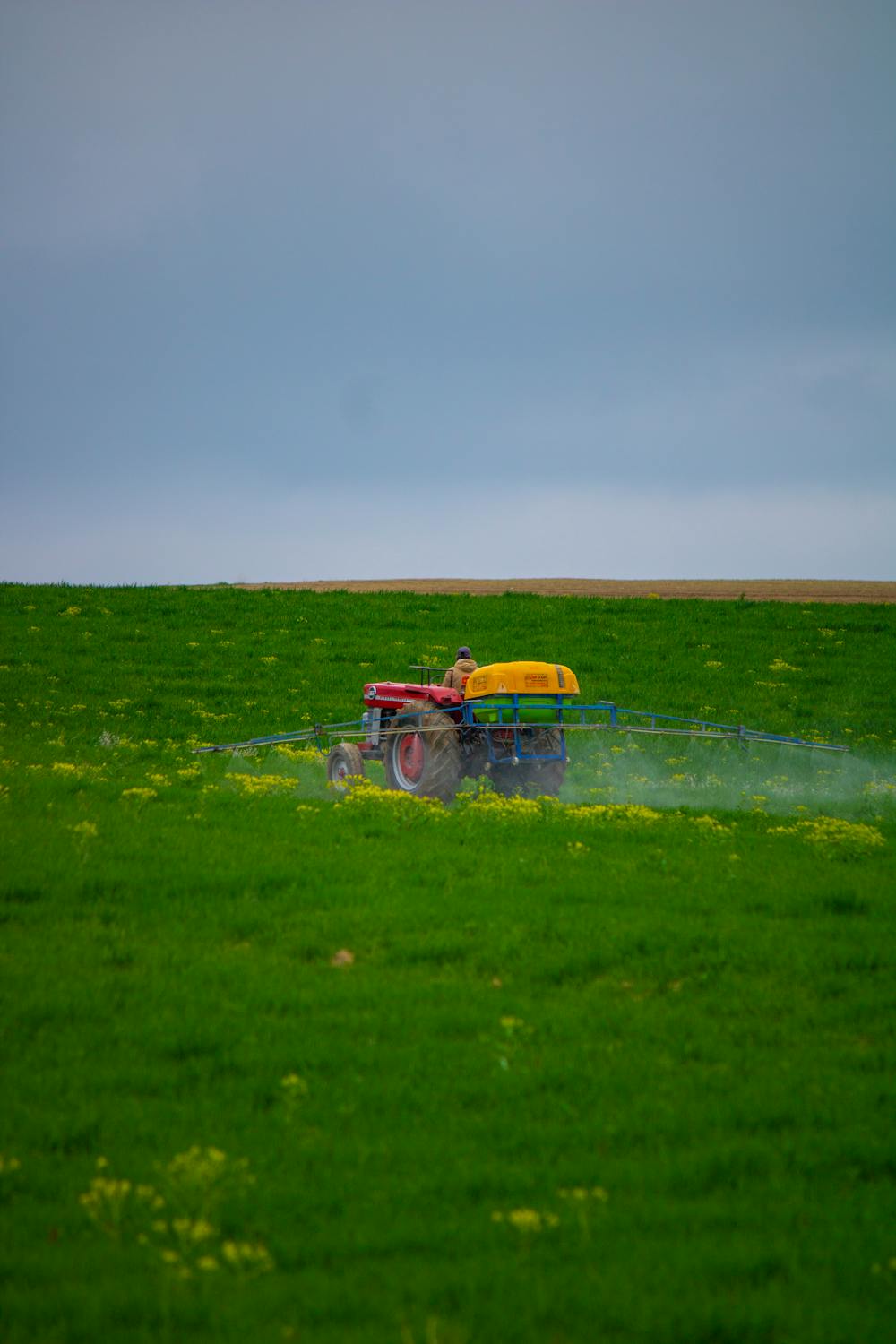
Pesticides are substances used to kill or control pests, including insects (insecticides), weeds (herbicides), and fungi (fungicides). Although they play a critical role in agriculture and gardening, their widespread use has raised concerns due to their adverse effects on non-target species and the environment.
Types of Pesticides
- Insecticides: Target insects but can harm beneficial insects like bees and butterflies.
- Herbicides: Designed to kill weeds but can affect other plants and soil health.
- Fungicides: Used to prevent fungal infections but can disrupt microbial communities in the soil.
The Impact of Pesticides on Biodiversity
Pesticides can have far-reaching consequences on garden biodiversity. Here are some of the key impacts.
Harm to Pollinators
Pollinators like bees, butterflies, and other insects are essential for the reproduction of many plants. Pesticides, particularly insecticides, can be lethal to these beneficial insects, leading to declines in their populations.
- Neonicotinoids: A class of insecticides linked to bee population declines. These chemicals impair bees’ ability to forage and navigate, leading to colony collapse disorder.
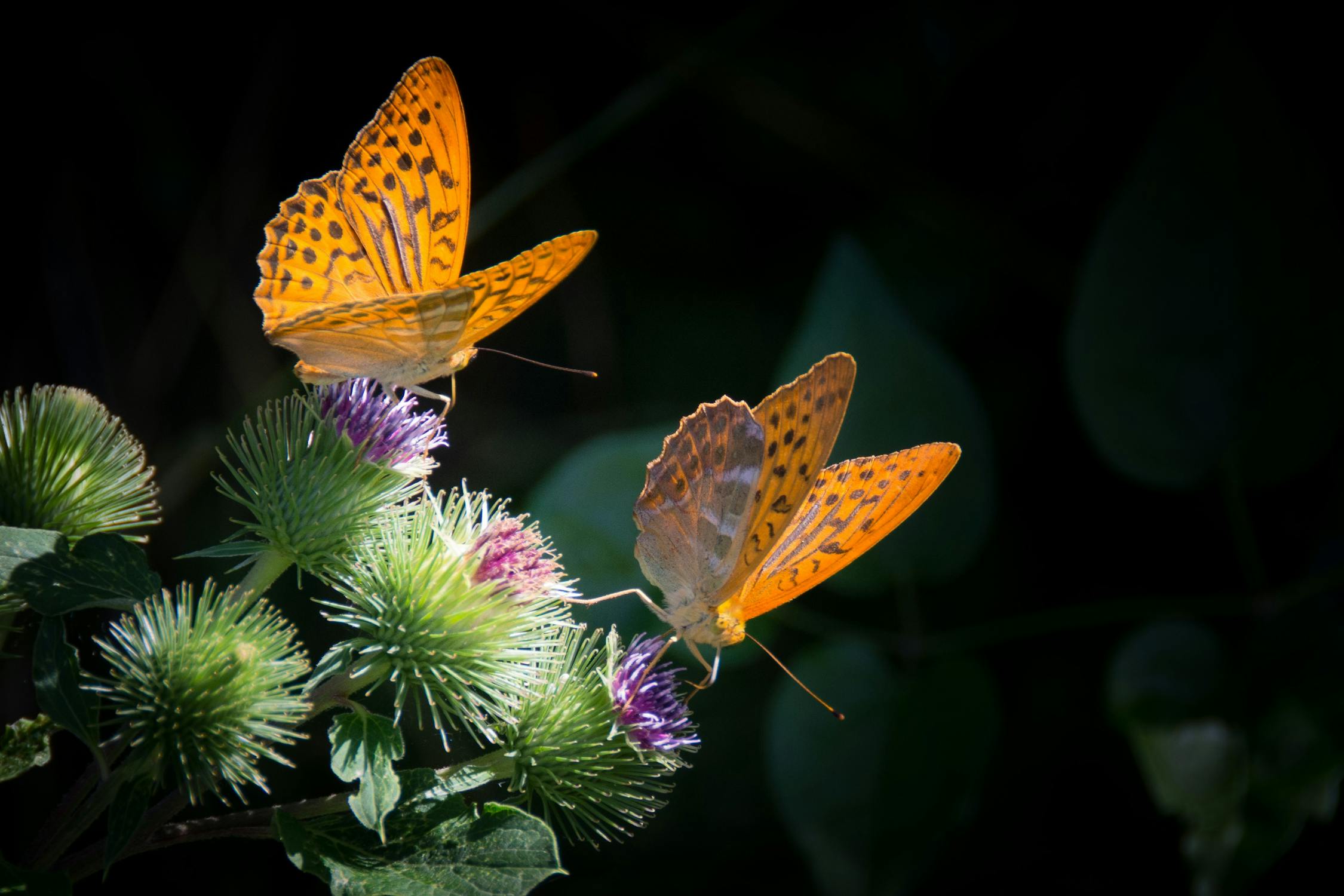
- Butterflies: Pesticides can reduce butterfly populations by directly killing caterpillars and adult butterflies, as well as by destroying the plants they depend on.
Disruption of Food Chains
Pesticides can disrupt food chains by eliminating insects that serve as food for other wildlife. Birds, small mammals, and other predators rely on a steady supply of insects to survive.
- Birds: Many bird species feed on insects and their larvae. The reduction in insect populations due to pesticides can lead to declines in bird numbers.
- Amphibians: Amphibians such as frogs and toads, which consume insects, are also affected by the reduction in their prey.
Soil Health
Pesticides can negatively impact soil health by killing beneficial microorganisms that contribute to soil fertility and plant health.
- Microbial Communities: Fungicides and herbicides can disrupt the delicate balance of microbial communities in the soil, reducing its fertility and structure.
- Earthworms: These creatures are vital for soil aeration and nutrient cycling. Pesticides can reduce their populations, leading to poorer soil health.
Sustainable Alternatives to Pesticides
To protect garden biodiversity while managing pests, gardeners can adopt various sustainable alternatives to conventional pesticides. Here are some effective strategies.
Integrated Pest Management (IPM)
Integrated Pest Management (IPM) is a holistic approach that combines different pest control methods to minimize reliance on chemical pesticides.
- Monitoring and Identification: Regularly inspect plants to identify pests early and accurately.
- Cultural Controls: Implement practices like crop rotation, companion planting, and proper watering to prevent pest infestations.
- Mechanical Controls: Use physical barriers, traps, and manual removal to control pests.
- Biological Controls: Introduce natural predators or beneficial insects to manage pest populations.
Organic Pesticides
Organic pesticides are derived from natural sources and tend to be less harmful to non-target species and the environment.
- Neem Oil: Extracted from the neem tree, it effectively controls a wide range of pests without harming beneficial insects.
- Insecticidal Soaps: Made from potassium salts of fatty acids, these soaps kill soft-bodied insects like aphids and mites.
- Diatomaceous Earth: A natural powder that dehydrates and kills insects with exoskeletons, such as ants and beetles.
Companion Planting
Companion planting involves growing certain plants together to enhance growth and protect each other from pests.
- Marigolds: Planting marigolds with vegetables can repel nematodes and aphids.
- Basil: Growing basil alongside tomatoes can deter tomato hornworms and improve flavor.
- Nasturtiums: These plants attract aphids away from other crops, acting as a trap plant.
Encouraging Beneficial Insects
Promoting the presence of beneficial insects can naturally reduce pest populations.
- Ladybugs: These insects feed on aphids and other soft-bodied pests.
- Lacewings: Their larvae consume a variety of garden pests, including caterpillars and aphids.
- Bees and Butterflies: Planting a variety of flowers can attract pollinators and other beneficial insects.
Creating a Biodiverse Garden
Building a garden that supports biodiversity involves creating a habitat that meets the needs of a wide range of species. Here are some tips.
Plant Diversity
Incorporate a variety of plants to provide food and habitat for different species.
- Native Plants: Choose plants that are native to your region, as they are better adapted to local conditions and support native wildlife.
- Varied Structures: Include plants of different heights and structures to create diverse habitats.
- Continuous Bloom: Plant species that bloom at different times to provide a continuous food source for pollinators.
Providing Water
Ensure that your garden has a reliable water source for wildlife.
- Birdbaths: Keep birdbaths clean and filled with fresh water.
- Ponds: Even a small pond can attract frogs, toads, and beneficial insects.
Shelter and Nesting Sites
Provide shelter and nesting sites to support wildlife throughout the year.
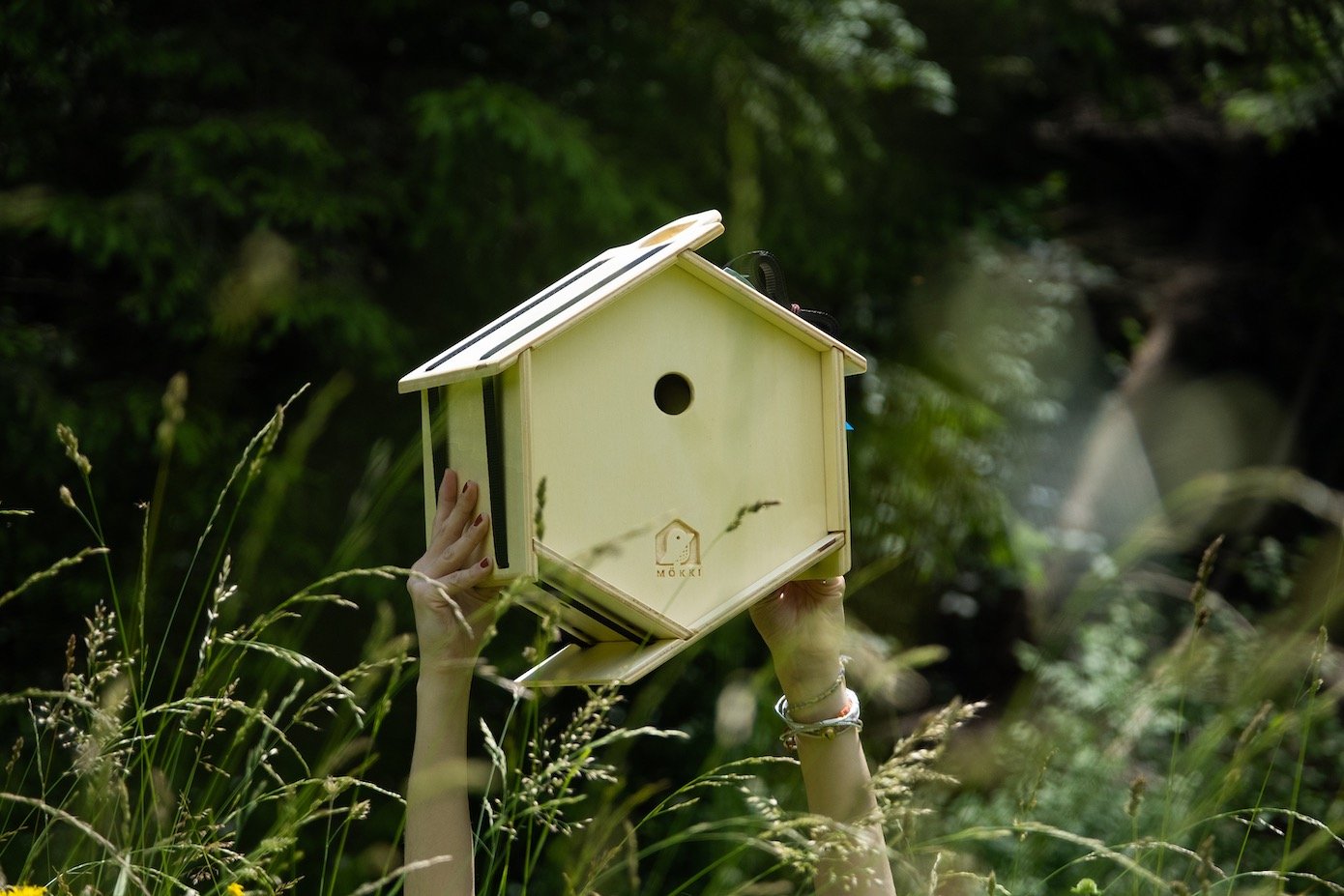
- Birdhouses and Bat Boxes: Install these to offer nesting and roosting places.
- Brush Piles: Create brush piles from fallen branches and leaves to provide cover for small mammals and insects.
Avoiding Chemicals
Minimize the use of chemicals to create a healthier environment for wildlife.
- Organic Fertilizers: Use compost and other organic fertilizers to enrich the soil naturally.
- Pest Control: Opt for natural pest control methods and use chemical pesticides only as a last resort.
Long-Term Benefits of a Biodiverse Garden
Creating a biodiverse garden offers numerous long-term benefits, both for the environment and for gardeners themselves.
Environmental Benefits
- Ecosystem Services: Biodiverse gardens provide essential ecosystem services like pollination, water purification, and soil health.
- Climate Resilience: Diverse plantings can make gardens more resilient to climate change and extreme weather events.
Personal Benefits
- Well-Being: Spending time in a biodiverse garden can reduce stress and improve mental health.
- Education: Observing wildlife and plant interactions can be educational for both children and adults.
Community Impact
- Biodiversity Corridors: Creating biodiverse gardens in urban areas can contribute to biodiversity corridors, linking fragmented habitats and supporting wildlife movement.
- Community Engagement: Biodiverse gardens can inspire community engagement and awareness about the importance of protecting local ecosystems.
Embrace Sustainable Gardening
The impact of pesticides on garden biodiversity is significant, but by adopting sustainable alternatives, gardeners can create vibrant, resilient ecosystems. By integrating practices like IPM, organic pesticides, companion planting, and encouraging beneficial insects, you can protect and enhance garden biodiversity. Embrace sustainable gardening and enjoy the long-term benefits of a healthy, thriving garden that supports a wide range of wildlife.
Remember:
“The garden suggests there might be a place where we can meet nature halfway”.
– Michael Pollan
By following the guidelines in this article, you can transform your green space into a thriving, biodiverse haven that supports local wildlife and enriches your own life. Join us on this journey, and together, let's make a positive impact on our environment, one green space at a time.
Get in Touch
Have questions or need assistance? We’re here to help. Contact us through our form, email, or social media channels.