
Learn how to transform your backyard into a haven for local wildlife with our ultimate guide. Discover the best practices, plant choices, and habitat tips to support biodiversity and create a thriving ecosystem right at home.
In an era where biodiversity is rapidly declining, our backyards hold untapped potential to support and nurture local ecosystems. By making conscious choices and implementing thoughtful practices, you can turn your outdoor space into a sanctuary for birds, insects, and other wildlife. This guide will walk you through the steps to create a biodiverse backyard that contributes to the well-being of the environment and enriches your own life.
Understanding Biodiversity
Biodiversity refers to the variety of life in a particular habitat or ecosystem. It includes the diversity of species, genetic variations within those species, and the ecosystems they form. Biodiversity is crucial because it:
- Supports ecosystem services such as pollination, water purification, and soil fertility.
- Enhances resilience against environmental changes and disturbances.
- Provides resources for food, medicine, and raw materials.
- Enriches our lives with aesthetic, cultural, and recreational values.
Assessing Your Space
Before you start planting or building habitats, take some time to assess your backyard:
- Size and Layout: Understand the dimensions and shape of your space.
- Sunlight and Shade: Note the areas that receive full sun, partial shade, and full shade.
- Soil Type: Test your soil to determine its pH and texture. This will help you choose appropriate plants.
- Existing Vegetation: Identify the plants already growing in your yard and decide which ones to keep or remove.
Choosing Native Plants
Native plants are the cornerstone of a biodiverse backyard. They are well-adapted to local conditions and provide essential resources for native wildlife. Here are some tips for selecting native plants:
- Research Local Species: Use resources like local extension offices, native plant societies, and online databases to find native plants suitable for your area.
- Diverse Plantings: Include a variety of trees, shrubs, perennials, and groundcovers to create multiple layers of habitat.
- Pollinator-Friendly Plants: Choose flowers that attract bees, butterflies, and other pollinators.
- Edible Plants: Consider native fruit-bearing plants that can provide food for both wildlife and humans.
Best Native Plants for Different Regions
- Southern Europe: Lavender, Rosemary, Strawberry Tree, Italian Cypress, and Olive Tree.
- Central Europe: European Beech, Common Hawthorn, Wild Cherry, and Wood Anemone.
- Northern Europe: Silver Birch, Common Heather, Dog Rose, and Scots Pine.
- Eastern Europe: Siberian Pea Tree, European Rowan, Field Maple, and Purple Loosestrife.
Designing for Different Species
To support a variety of wildlife, create habitats that cater to the needs of different species:
Birds
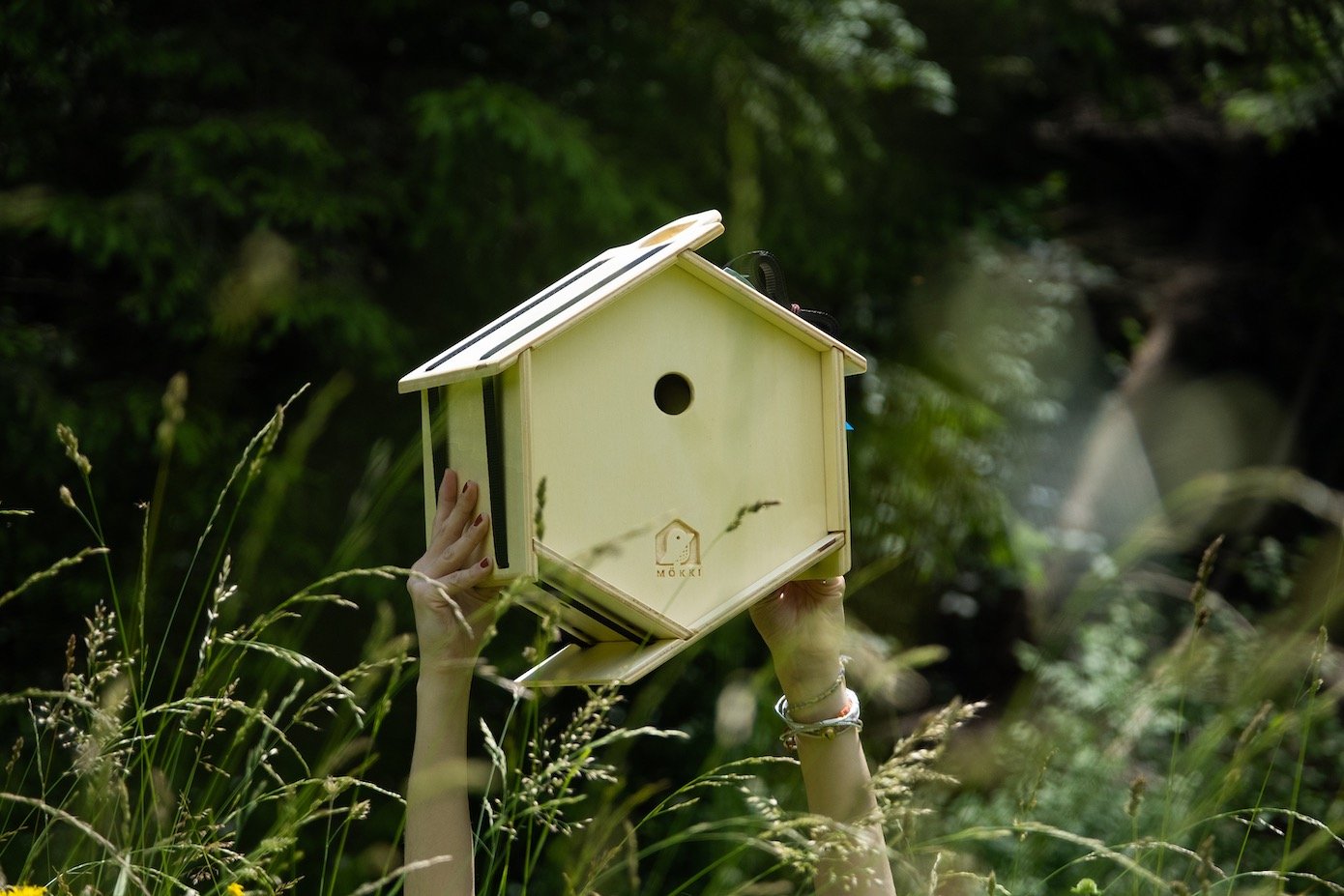
- Birdhouses: Install birdhouses to provide nesting sites. Ensure they are predator-proof and placed at appropriate heights.
- Birdbaths: Provide fresh water for drinking and bathing.
- Native Plants: Plant berry-producing shrubs and trees to offer natural food sources.
Insects
- Insect Hotels: Build or buy insect hotels to give beneficial insects a place to shelter.
- Flowering Plants: Grow a range of flowers that bloom at different times to provide a continuous food source.
- Avoid Pesticides: Use organic pest control methods to protect insect populations.
Small Mammals
- Brush Piles: Create brush piles from fallen branches and leaves to provide cover and nesting material.
- Groundcover: Plant dense groundcover to offer shelter and food for small mammals.
- Water Sources: Ensure there are shallow water sources accessible to all creatures.
Creating Insect Habitats
Insects play a vital role in ecosystems as pollinators, decomposers, and food sources for other wildlife. Here’s how to support them:
- Insect Hotels: Build insect hotels using natural materials like bamboo, wood, and straw. Place them in sunny, sheltered spots.
- Pollinator Gardens: Designate areas of your yard as pollinator gardens with a variety of nectar and pollen-rich plants.
- Water Sources: Provide shallow dishes of water with pebbles for insects to land on and drink.
- Leaf Litter: Leave fallen leaves and plant debris in certain areas to create habitats for ground-dwelling insects.
Building and Maintaining Insect Hotels
- Materials: Use untreated wood, bamboo, and straw to create compartments of different sizes.
- Placement: Position the hotel in a sunny location, ideally facing south or southeast.
- Maintenance: Clean the hotel annually to prevent disease and parasites. Replace worn-out materials as needed.
Sustainable Gardening Practices
Implementing sustainable gardening practices is key to maintaining a healthy, biodiverse backyard.
Avoiding Pesticides and Chemicals
- Natural Pest Control: Use companion planting, physical barriers, and biological controls to manage pests.
- Organic Fertilizers: Opt for compost, manure, and other organic fertilizers to enrich your soil.
- Healthy Soil: Maintain soil health with cover crops, crop rotation, and reduced tillage.
Water Conservation Tips
- Rain Barrels: Collect rainwater to use for irrigation.
- Mulching: Apply mulch to retain soil moisture and suppress weeds.
- Drip Irrigation: Install drip irrigation systems to deliver water directly to plant roots, reducing waste.
Composting and Soil Health
- Composting: Create a compost pile or bin to recycle garden waste into nutrient-rich soil.
- Soil Testing: Regularly test your soil and amend it with organic matter to improve its structure and fertility.
- No-Till Gardening: Minimize soil disturbance to maintain its natural structure and promote microbial activity.
Seasonal Care and Maintenance
To support biodiversity year-round, follow these seasonal maintenance tips.
Spring
- Planting: Start planting native species and annuals.
- Mulching: Apply mulch to new plantings and garden beds.
- Pruning: Prune shrubs and trees to promote healthy growth.
Summer
- Watering: Water plants deeply and less frequently to encourage strong root systems.
- Weeding: Keep on top of weeds to reduce competition for resources.
- Monitoring: Watch for signs of pests and diseases and address them promptly.
Autumn
- Leaf Litter: Leave fallen leaves in garden beds to provide habitat and nutrients.
- Planting: Plant bulbs and perennials for spring blooms.
- Harvesting: Collect seeds and store them for next year.
Winter
- Protection: Use burlap or other materials to protect sensitive plants from cold.
- Planning: Plan next year’s garden layout and make notes on successes and improvements.
- Maintenance: Clean and store garden tools and equipment.
Long-Term Benefits of a Biodiverse Garden
Creating and maintaining a biodiverse garden offers numerous benefits.
- Environmental Impact: Reduces the need for chemical inputs, supports local wildlife, and enhances ecosystem services.
- Personal Well-Being: Spending time in a biodiverse garden can reduce stress, improve mood, and encourage physical activity.
- Aesthetic Value: A variety of plants and wildlife can create a beautiful, dynamic landscape that changes with the seasons.
Conclusion: Start Small and Grow
Embarking on the journey to create a biodiverse backyard can seem daunting, but starting small can lead to significant changes over time. Begin with a few native plants or an insect hotel, and gradually expand your efforts as you gain confidence and knowledge. Remember, every small step contributes to the larger goal of supporting biodiversity and creating a healthier environment.
By following the guidelines in this ultimate guide, you can transform your backyard into a thriving, biodiverse haven that supports local wildlife and enriches your own life. Join us on this journey, and together, let's make a positive impact on our environment, one backyard at a time.
Get in Touch
Have questions or need assistance? We’re here to help. Contact us through our form, email, or social media channels.