
Discover the best native plants to attract pollinators to your garden. Learn how to create a thriving habitat for bees, butterflies, and other pollinators with our comprehensive guide.
Creating a pollinator-friendly garden is one of the most rewarding ways to support biodiversity and enjoy the beauty of nature right in your backyard. Native plants are particularly effective at attracting local pollinators, as they have evolved together over time.
This guide will help you select the best native plants to attract bees, butterflies, and other essential pollinators, ensuring a vibrant and healthy garden ecosystem.
Why Native Plants?
Benefits of Native Plants
Native plants are well-adapted to the local environment and offer numerous advantages:
- Adaptation: Native plants are suited to the local climate and soil, making them easier to grow and maintain.
- Support Local Wildlife: They provide essential resources for native pollinators, including food and habitat.
- Biodiversity: Using a variety of native plants enhances garden biodiversity and resilience against pests and diseases.
- Low Maintenance: Once established, native plants often require less water and care compared to non-native species.
Role of Pollinators
Pollinators are crucial for the reproduction of many plants. They include:
- Bees: The most effective pollinators, including honeybees, bumblebees, and solitary bees.
- Butterflies and Moths: These pollinators are attracted to brightly colored, nectar-rich flowers.
- Birds: Certain birds, like hummingbirds, are also important pollinators.
- Beetles and Flies: While less celebrated, these insects also play significant roles in pollination.

Best Native Plants for Pollinators by Region
Southern Europe
Lavender (Lavandula angustifolia)
- Attracts: Bees, butterflies
- Benefits: Aromatic, drought-tolerant, long blooming season
Rosemary (Rosmarinus officinalis)
- Attracts: Bees, butterflies
- Benefits: Evergreen, drought-resistant, culinary use
Strawberry Tree (Arbutus unedo)
- Attracts: Bees
- Benefits: Evergreen, ornamental, edible fruits
Italian Cypress (Cupressus sempervirens)
- Attracts: Birds (habitat)
- Benefits: Tall and narrow, provides structure and shelter
Olive Tree (Olea europaea)
- Attracts: Bees
- Benefits: Long-lived, edible fruits, drought-tolerant
Central Europe
European Beech (Fagus sylvatica)
- Attracts: Birds, insects
- Benefits: Large shade tree, provides habitat
Common Hawthorn (Crataegus monogyna)
- Attracts: Bees, butterflies
- Benefits: Dense foliage, white flowers, red berries
Wild Cherry (Prunus avium)
- Attracts: Bees, birds
- Benefits: Beautiful spring blossoms, edible cherries
Wood Anemone (Anemone nemorosa)
- Attracts: Bees
- Benefits: Early spring blooms, ground cover
Northern Europe
Silver Birch (Betula pendula)
- Attracts: Moths, birds
- Benefits: Fast-growing, adaptable, white bark
Common Heather (Calluna vulgaris)
- Attracts: Bees
- Benefits: Hardy, blooms in late summer, low-growing
Dog Rose (Rosa canina)
- Attracts: Bees, butterflies
- Benefits: Wild rose hips, thorny for protection
Scots Pine (Pinus sylvestris)
- Attracts: Birds (habitat)
- Benefits: Evergreen, provides winter interest
Eastern Europe
Siberian Pea Tree (Caragana arborescens)
- Attracts: Bees
- Benefits: Hardy, nitrogen-fixing, yellow flowers
European Rowan (Sorbus aucuparia)
- Attracts: Bees, birds
- Benefits: Red berries, ornamental, hardy
Field Maple (Acer campestre)
- Attracts: Bees
- Benefits: Hardy, vibrant autumn color
Purple Loosestrife (Lythrum salicaria)
- Attracts: Bees, butterflies
- Benefits: Long flowering season, vibrant purple flowers
Designing a Pollinator Garden
Layered Planting
Creating different layers in your garden can provide various habitats and resources:
- Canopy Layer: Tall trees like the European Beech or Scots Pine offer shelter and nesting sites.
- Shrub Layer: Shrubs such as Common Hawthorn and Dog Rose provide food and cover.
- Herbaceous Layer: Perennials like Lavender and Wild Cherry offer nectar and pollen.
- Groundcover Layer: Plants like Wood Anemone and Common Heather cover the ground and provide additional food sources.
Blooming Seasons
Ensure continuous blooming throughout the growing season:
- Early Spring: Wood Anemone, Wild Cherry
- Late Spring: Common Hawthorn, European Beech
- Summer: Lavender, Common Heather
- Autumn: Purple Loosestrife, European Rowan
Water and Shelter
Pollinators need more than just food:
- Water Sources: Include birdbaths, shallow dishes, or small ponds.
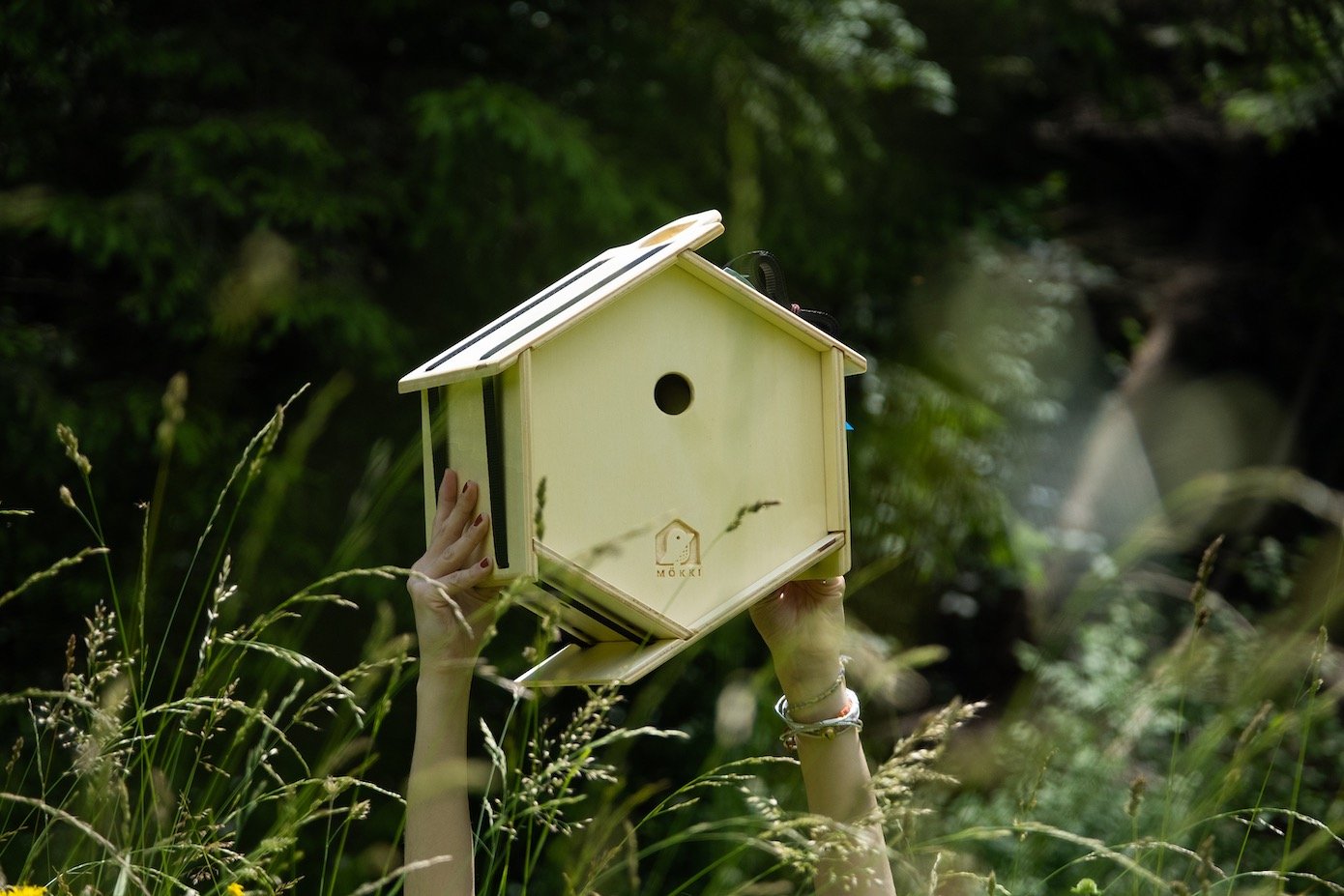
- Shelter: Provide logs, leaf litter, and stone piles for nesting and overwintering sites.

Sustainable Gardening Practices
Avoiding Pesticides
Pesticides can harm pollinators. Use alternative methods:
- Companion Planting: Planting certain species together can repel pests.
- Physical Barriers: Use nets and barriers to protect plants from pests.
- Natural Predators: Encourage birds and beneficial insects that prey on pests.
Organic Fertilizers
Use organic materials to enrich the soil:
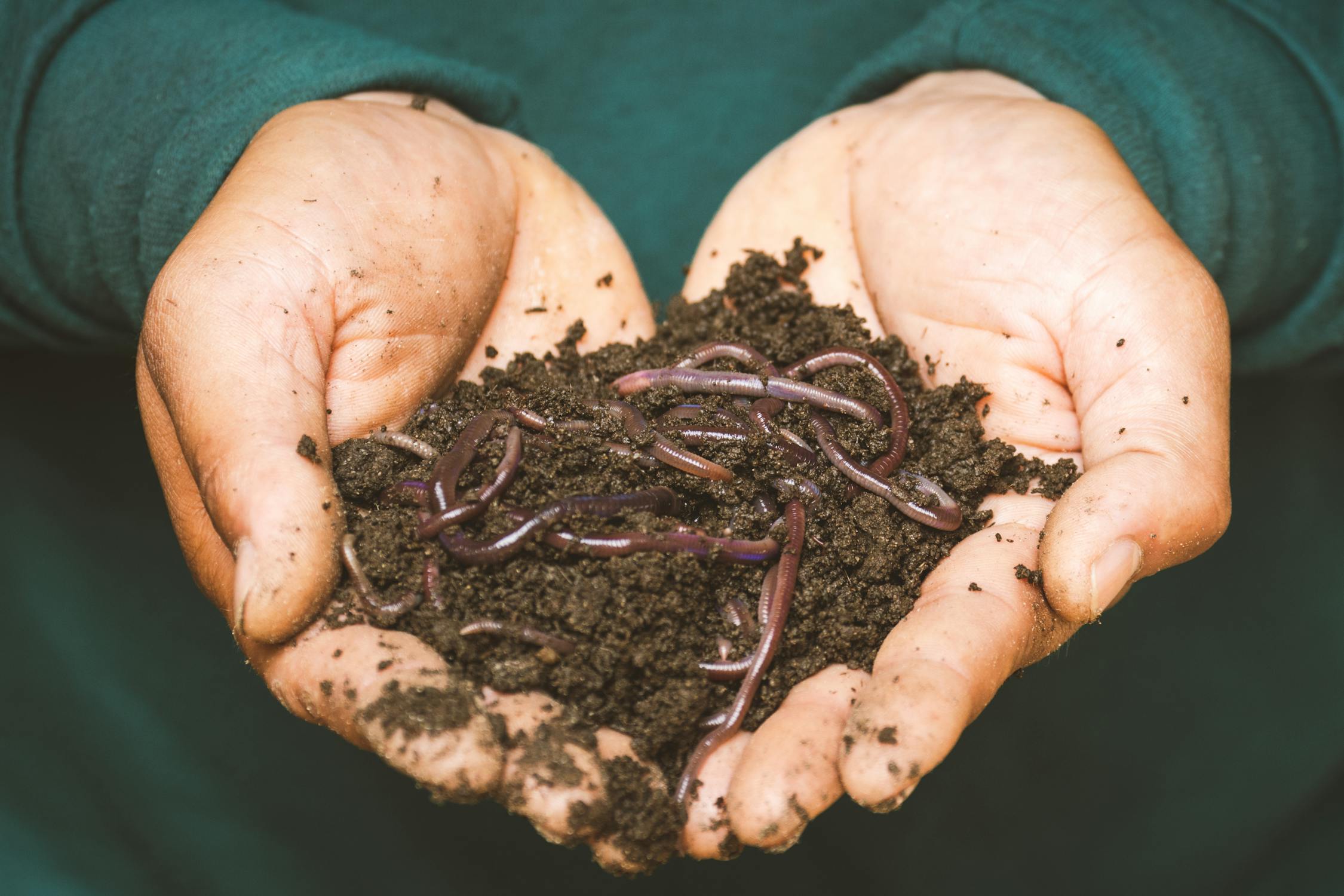
- Compost: Homemade compost improves soil structure and fertility.
- Manure: Well-rotted manure adds nutrients and organic matter.
- Mulch: Mulching conserves moisture and reduces weeds.
Water Conservation
Efficient watering practices are essential:
- Drip Irrigation: Delivers water directly to the roots, reducing waste.
- Rain Barrels: Collect rainwater to use during dry periods.
- Mulching: Helps retain soil moisture and reduces the need for frequent watering.
Community and Educational Benefits
Gardens can be used to educate others about the importance of pollinators:
- School Programs: Partner with local schools to create educational programs about gardening and pollinators.
- Workshops and Tours: Host workshops or garden tours to teach sustainable practices and the benefits of native plants.
Citizen Science
Engage in citizen science projects:
- Pollinator Counts: Participate in local or national pollinator counting programs.
- Monitoring: Keep track of the different pollinator species visiting your garden and share the data with conservation organizations.
Long-Term Impact
Ecological Benefits
Creating a pollinator-friendly garden has lasting positive effects:
- Enhanced Biodiversity: Diverse plantings support a wide range of species.
- Resilient Ecosystems: Healthy pollinator populations contribute to resilient ecosystems.
- Ecosystem Services: Pollinators help with the production of fruits, vegetables, and flowers.
Personal and Community Well-Being
Enjoy the personal and community benefits of a pollinator garden:
- Mental Health: Gardening and observing nature can reduce stress and improve mental well-being.
- Community Engagement: Gardens can become focal points for community engagement and collective environmental action.
- Aesthetic Value: A well-designed garden with blooming native plants can enhance the beauty of any space.
Start Small, Grow Big
Starting a pollinator garden with native plants might seem daunting, but small steps can lead to significant changes. Begin with a few native plants and gradually expand your garden. Each plant added is a step toward supporting pollinators and enhancing your local ecosystem. Embrace the journey of creating a thriving, beautiful, and sustainable garden that benefits both nature and your community.
Remember:
“The creation of a thousand forests is in one acorn”.
– Ralph Waldo Emerson
By following the guidelines in this article, you can transform your green space into a thriving, biodiverse haven that supports local wildlife and enriches your own life. Join us on this journey, and together, let's make a positive impact on our environment, one green space at a time.
Get in Touch
Have questions or need assistance? We’re here to help. Contact us through our form, email, or social media channels.