
Discover the essential role pollinators play in enhancing garden biodiversity. Learn how to create a pollinator-friendly garden that supports local ecosystems and boosts plant health, while contributing to a thriving, biodiverse environment.
In today’s rapidly changing world, the role of pollinators in promoting garden biodiversity is more critical than ever. These tiny, industrious creatures are the unsung heroes of our gardens, playing a pivotal role in sustaining plant life and, by extension, entire ecosystems. This blog post delves into the importance of pollinators, how to attract and support them, and the profound impact they have on biodiversity.
Understanding Pollinators
Pollinators are animals that move pollen from the male anthers of a flower to the female stigma of a flower to accomplish fertilization. While bees are the most well-known pollinators, many other insects, birds, and even bats serve this vital role. The key pollinators include:
- Bees (honeybees, bumblebees, solitary bees)
- Butterflies and moths
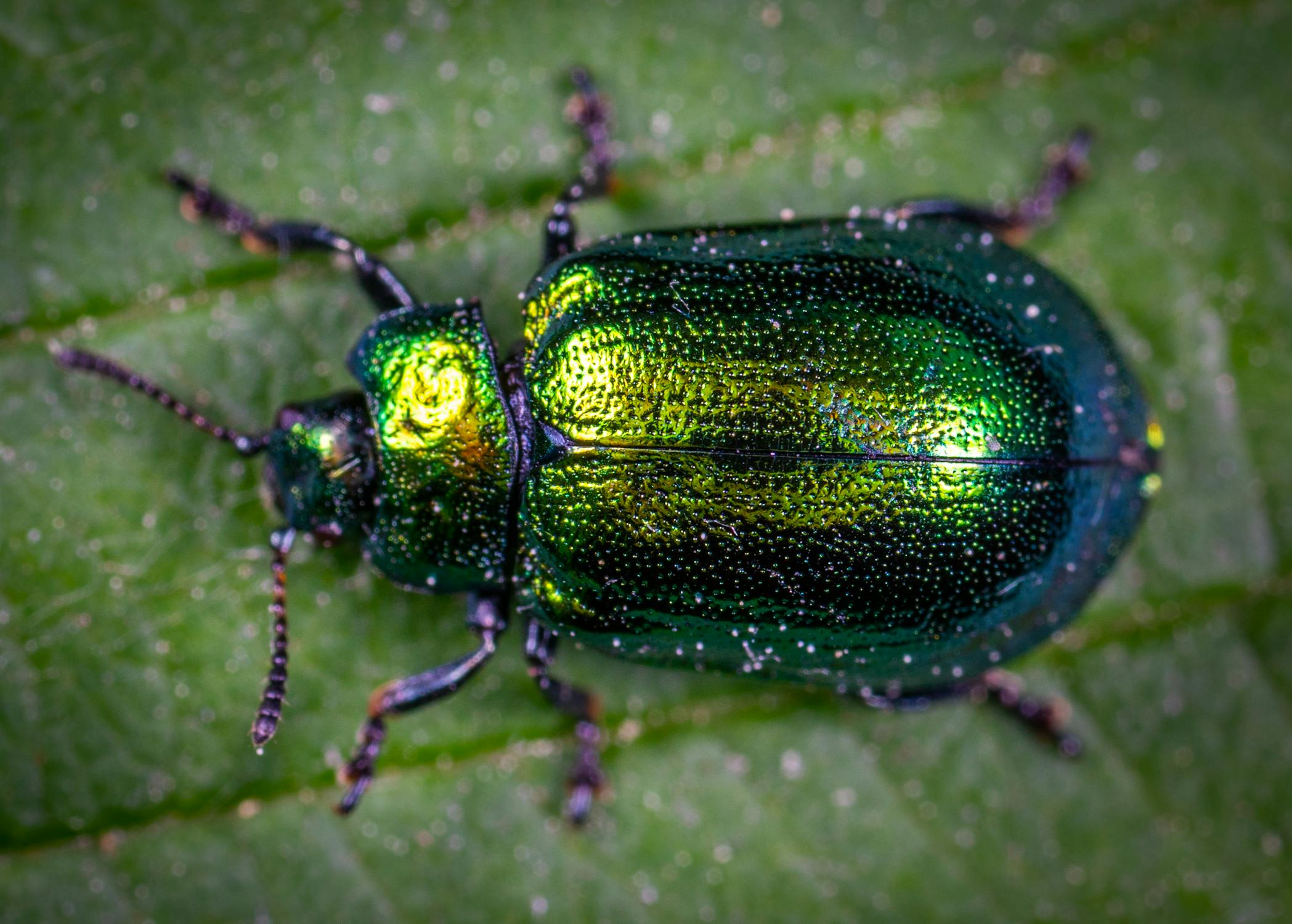
- Beetles
- Flies
- Birds (such as hummingbirds)
- Bats
Why Pollinators Matter
Pollinators are essential for the reproduction of about 75% of flowering plants and nearly 75% of crops. This includes many of the fruits, vegetables, and nuts that we rely on for our diets. They help in:
- Food Production: Pollinators contribute to one out of every three bites of food we eat.
- Biodiversity: They support the growth of diverse plant species, which in turn provides habitats for other wildlife.
- Ecosystem Health: Pollinator activity ensures the continuation of plant species, which are fundamental to ecological balance.
Creating a Pollinator-Friendly Garden
To support pollinators and enhance garden biodiversity, it is crucial to create an inviting environment for them. Here are some strategies to consider.
1. Planting a Variety of Flowers
A diverse selection of flowers will attract a variety of pollinators. Ensure that your garden has:
- Native Plants: Native species are adapted to local conditions and are more likely to attract local pollinators.
- Continuous Blooming: Plant flowers that bloom at different times of the year to provide a continuous food source.
- Clustered Plantings: Grouping flowers together makes it easier for pollinators to find them.
2. Providing Shelter and Nesting Sites
Pollinators need safe places to nest and overwinter. Here’s how you can help:
- Bee Hotels: Install bee hotels to provide nesting sites for solitary bees.
- Natural Habitats: Leave dead wood, plant stems, and leaf litter to offer shelter for insects.
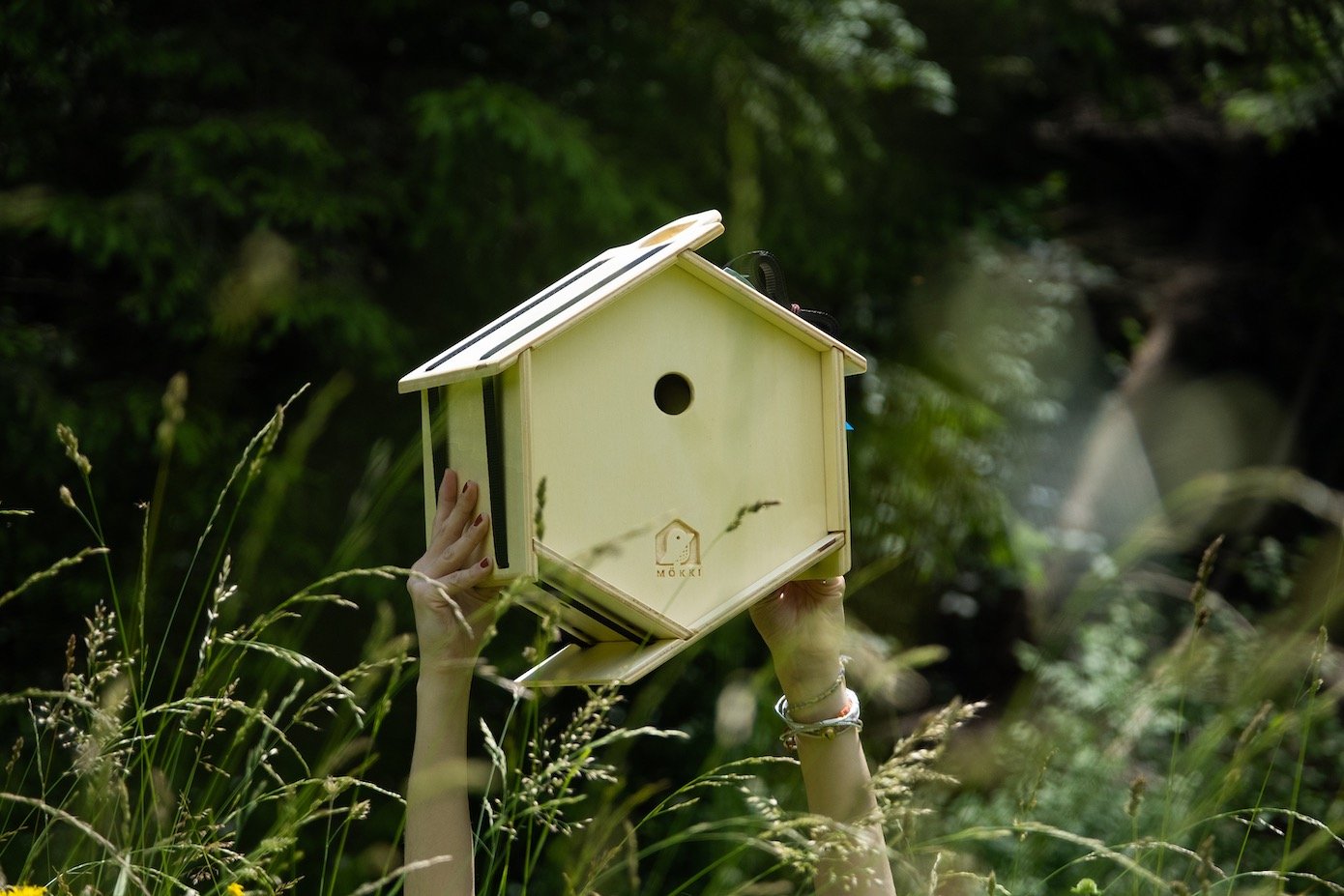
- Birdhouses: These can attract pollinating birds like hummingbirds.
3. Avoiding Pesticides
Pesticides can be harmful to pollinators. Opt for organic gardening practices instead:
- Natural Pest Control: Use beneficial insects, companion planting, and physical barriers.
- Homemade Remedies: Create natural pest deterrents using ingredients like garlic, neem oil, or soap.
4. Water Sources
Pollinators need water for drinking and bathing. Provide:
- Shallow Water Sources: Fill a shallow dish with water and add pebbles or twigs for insects to land on.
- Birdbaths: Keep them clean and filled with fresh water.

subscribe to our newsletter
Download our comprehensive guide to start fostering a garden that supports local ecosystems and enriches your personal well-being.
CREATE YOUR OWN BIODIVERSE GARDEN TODAY!
The Impact of Pollinators on Biodiversity
Pollinators have a cascading effect on biodiversity. By supporting plant reproduction, they help maintain a variety of plants that provide food and habitat for other organisms. Here are some specific impacts.
Enhanced Plant Diversity
Pollinators enable the fertilization of a wide range of plants, leading to greater plant diversity. This diversity is crucial for:
- Resilience: A diverse plant community can better withstand environmental stresses.
- Soil Health: Different plants contribute various nutrients to the soil, promoting soil health.
Wildlife Habitat
A diverse array of plants supports a broader range of wildlife. For instance:
- Birds: More plant species mean more seeds, berries, and insects for birds to eat.
- Small Mammals: Dense vegetation provides shelter and food sources for small mammals.
Improved Ecosystem Services
Pollinators contribute to the provision of essential ecosystem services, including:
- Water Regulation: Diverse plant root systems help manage water runoff and improve groundwater recharge.
- Air Quality: Plants improve air quality by absorbing pollutants and releasing oxygen.
Long-Term Benefits of Supporting Pollinators
Creating a pollinator-friendly garden is not just about immediate benefits; it also has long-term positive impacts:
Sustainable Food Production
By supporting pollinators, we ensure the continued availability of the foods we rely on. This sustainability is crucial as the global population grows.
Climate Change Mitigation
Healthy, biodiverse ecosystems can better withstand and adapt to climate change. Pollinators play a critical role in maintaining these ecosystems.
Personal Well-Being
Gardening itself has numerous benefits for personal well-being, including reducing stress, promoting physical activity, and providing a sense of accomplishment. Additionally, a garden teeming with life is aesthetically pleasing and can enhance mental health.
Start Small and Make a Big Impact
Supporting pollinators and promoting garden biodiversity might seem like a daunting task, but starting small can lead to significant changes over time. Begin by planting a few native flowers or installing a bee hotel, and gradually expand your efforts as you gain confidence and knowledge. Remember, every small step you take contributes to the larger goal of supporting biodiversity and creating a healthier environment.
Remember:
“The earth has music for those who listen”.
– William Shakespeare
By following the guidelines in this article, you can transform your green space into a thriving, biodiverse haven that supports local wildlife and enriches your own life. Join us on this journey, and together, let's make a positive impact on our environment, one green space at a time.
READ MORE FREE RESOURCES FROM OUR BIODIVERSITY BLOG
-
Top 5 Bird Feeder Designs for Small Gardens and Balconies
-
The Role of Pollinators in Promoting Garden Biodiversity
-
The Impact of Pesticides on Garden Biodiversity and Alternatives
-
Simple Ways to Make Your Balcony a Haven for Wildlife
-
How to Choose the Right Birdhouse for Your Local Birds
-
Best Native Plants to Attract Pollinators to Your Garden
-
Benefits of Bird Feeders: How They Support Local Ecosystems
-
The Ultimate Guide to Supporting Biodiversity in Your Backyard
Get in Touch
Have questions or need assistance? We’re here to help. Contact us through our form, email, or social media channels.