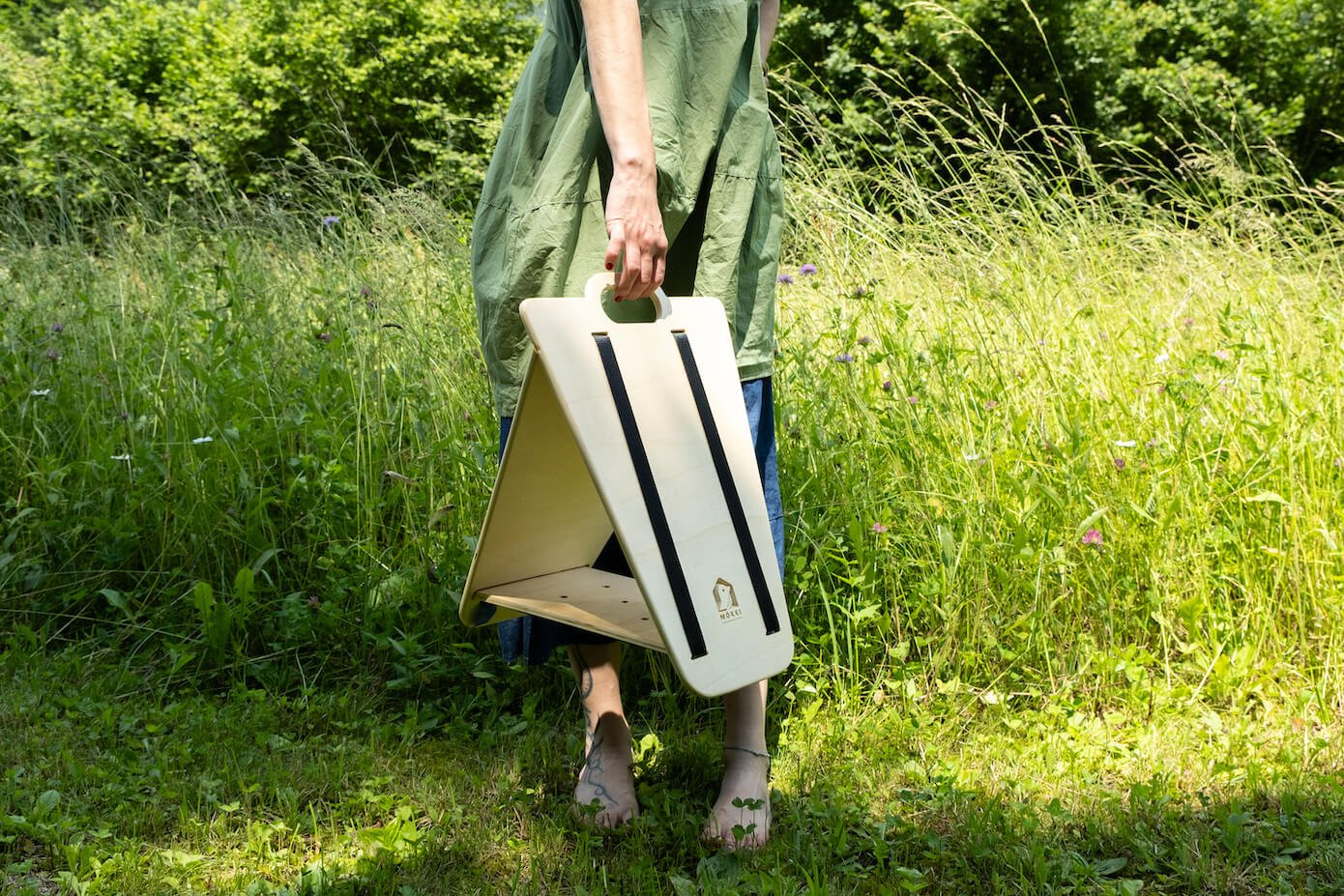
Discover the many benefits of bird feeders and how they support local ecosystems. Learn how to attract and nourish local bird populations, and contribute to biodiversity in your own backyard.
Bird feeders are a wonderful addition to any backyard, offering more than just a chance to observe beautiful birds up close. They play a crucial role in supporting local ecosystems by providing food sources, fostering biodiversity, and aiding in the survival of various bird species. This ultimate guide will explore the numerous benefits of bird feeders, practical tips on how to set them up, and their positive impact on the environment.
Understanding the Importance of Bird Feeders
Why Bird Feeders Matter
Bird feeders serve several essential purposes in local ecosystems:
- Supplementary Food Sources: They provide birds with a reliable food supply, especially during harsh weather conditions or when natural food sources are scarce.
- Support for Migratory Birds: Feeders offer much-needed nutrition for migratory birds, helping them sustain energy levels during long journeys.
- Biodiversity Enhancement: By attracting a variety of bird species, feeders contribute to the overall biodiversity of the area.
The Role of Birds in Ecosystems
Birds play a critical role in maintaining healthy ecosystems:
- Pollination: Some bird species, like hummingbirds, are pollinators, aiding in the reproduction of flowering plants.
- Seed Dispersal: Birds help in seed dispersal, contributing to plant diversity and forest regeneration.
- Pest Control: Many birds consume insects and pests, helping to naturally control their populations.
Setting Up Bird Feeders
Choosing the Right Feeder
Different feeders cater to different bird species. Here are some common types:
- Tube Feeders: Great for small birds like finches and chickadees. They typically hold seeds and keep them dry.
- Hopper Feeders: Attract larger birds such as cardinals and jays. They have a covered reservoir that dispenses seeds.
- Suet Feeders: Ideal for woodpeckers, nuthatches, and other insect-eating birds. These feeders hold suet cakes made from animal fat.
Selecting Bird Food
The type of food you offer can attract specific bird species:
- Black Oil Sunflower Seeds: A favorite among many bird species due to their high fat content.
- Nyjer (Thistle) Seeds: Attract finches and siskins.
- Suet Cakes: Provide essential fats and proteins, particularly valuable in winter.
- Fruit and Nectar: Ideal for attracting orioles, hummingbirds, and other fruit-eating birds.
Placement and Maintenance
Proper placement and maintenance of bird feeders are crucial:
- Location: Place feeders in safe, visible areas away from predators, and near natural shelter like trees or shrubs.
- Cleanliness: Regularly clean feeders to prevent mold, disease, and contamination. Use a mild bleach solution and rinse thoroughly.
- Water Source: Provide a water source, such as a birdbath, to complement the food supply and attract more birds.
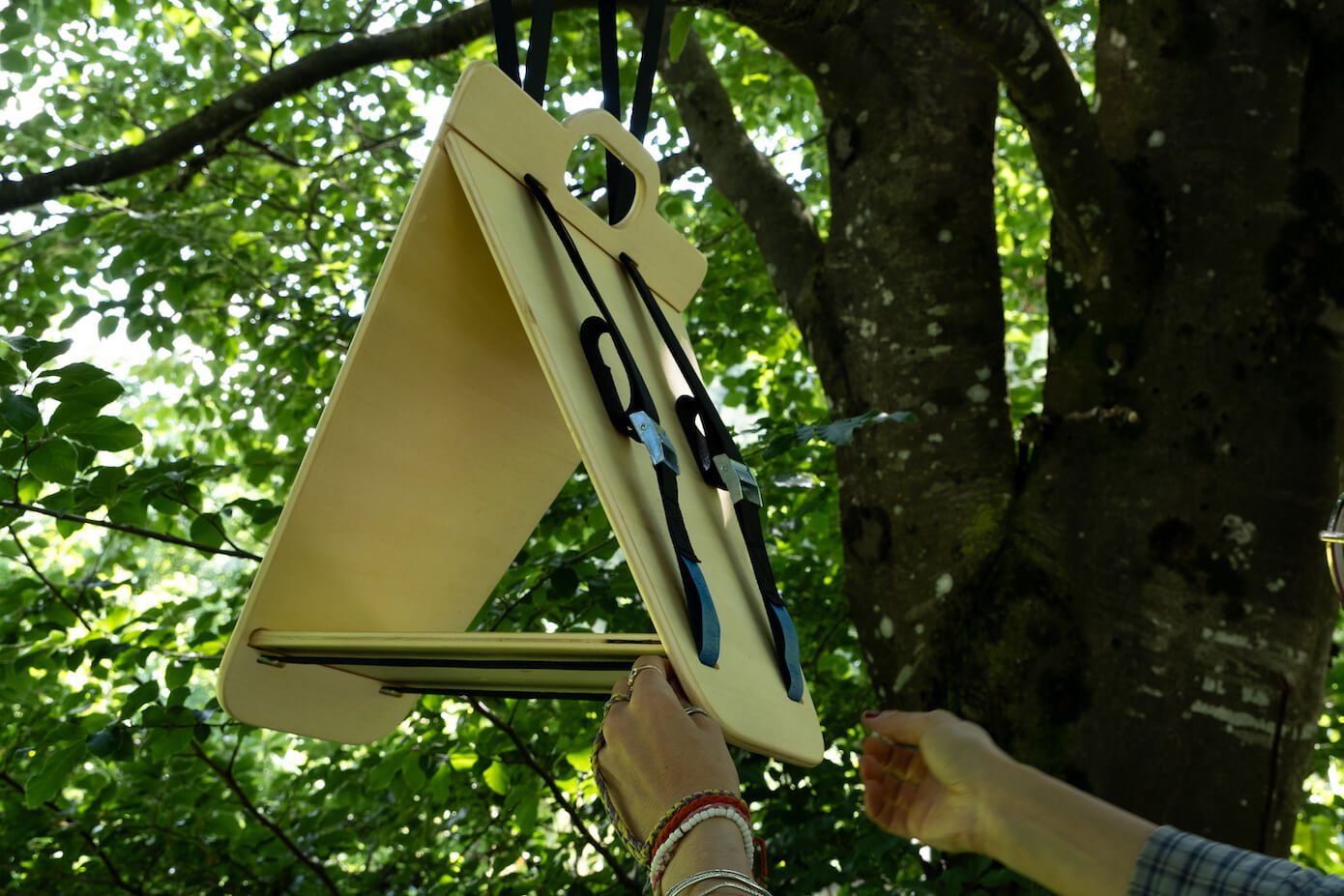
Benefits of Bird Feeders to Local Ecosystems
Supporting Bird Populations
Bird feeders play a vital role in supporting and sustaining local bird populations:
- Winter Survival: During winter, natural food sources can be limited. Bird feeders provide essential nutrients to help birds survive cold temperatures.
- Breeding Success: Consistent food supplies contribute to higher breeding success rates by ensuring that adult birds are healthy and capable of feeding their young.
Enhancing Biodiversity
By attracting a variety of bird species, feeders contribute to local biodiversity:
- Species Diversity: Feeders can attract a wide range of bird species, increasing the diversity of your local ecosystem.
- Ecological Balance: A diverse bird population helps maintain ecological balance by controlling insect populations, pollinating plants, and dispersing seeds.
Environmental Education
Bird feeders offer an excellent opportunity for environmental education:
- Observation and Learning: Watching birds at feeders can be a fun and educational activity for people of all ages, fostering a greater appreciation for wildlife.
- Citizen Science: Participation in bird counts and other citizen science projects can provide valuable data for ornithologists and conservationists.
Practical Tips for Maximizing the Benefits
Seasonal Adjustments
Adapt your bird feeding practices according to the seasons:
- Spring and Summer: Provide high-protein foods like mealworms to support breeding birds and their chicks.
- Autumn: Offer high-fat foods to help birds build energy reserves for migration or winter.
- Winter: Maintain a steady supply of high-energy foods like suet and sunflower seeds to help birds survive cold temperatures.
Creating a Bird-Friendly Habitat
Enhance the overall habitat to support birds year-round:
- Native Plants: Plant native shrubs, trees, and flowers to provide natural food sources and shelter.
- Water Features: Install birdbaths, ponds, or fountains to provide drinking and bathing opportunities.
- Safe Environment: Minimize the use of pesticides and chemicals, and take measures to protect birds from window collisions and predators.
Community Involvement
Engage your community in bird conservation efforts:
- Education Programs: Host workshops or talks on bird feeding and conservation.
- Bird-Friendly Spaces: Encourage local parks, schools, and businesses to create bird-friendly spaces with feeders and native plantings.
- Citizen Science Projects: Promote participation in bird counts, monitoring programs, and other conservation initiatives.

Long-Term Impact of Bird Feeders
Conservation and Research
Bird feeders contribute to conservation and research efforts:
- Data Collection: Feeders provide an opportunity for continuous observation and data collection on bird behavior and population trends.
- Research Support: Data from feeder observations can support scientific research and conservation strategies.
Community and Personal Benefits
The benefits of bird feeders extend beyond ecological impacts:
- Mental Health: Observing birds can reduce stress, improve mood, and provide a sense of connection to nature.
- Community Engagement: Bird feeding can foster a sense of community among neighbors and encourage collective conservation efforts.
- Aesthetic Value: Bird feeders enhance the beauty of gardens and outdoor spaces, creating a lively and vibrant environment.
Small Actions, Big Impact
Implementing bird feeders in your green space is a simple yet powerful way to support local ecosystems. By providing food, creating safe habitats, and engaging in community efforts, you can make a significant impact on the well-being of local bird populations and the overall biodiversity of your area.
Remember:
“Every feeder filled, and every bird counted, contributes to a healthier, more vibrant environment”.
– Cris Tumedei & Andrea Pregl – Ulap design
By following the guidelines in this article, you can transform your green space into a thriving, biodiverse haven that supports local wildlife and enriches your own life. Join us on this journey, and together, let's make a positive impact on our environment, one green space at a time.
Get in Touch
Have questions or need assistance? We’re here to help. Contact us through our form, email, or social media channels.