CREATE YOUR OWN BIODIVERSE GARDEN TODAY!

Subscribe to our newsletter and download our comprehensive guide to start fostering a garden that supports local ecosystems and enriches your personal well-being.

Reach us on social media

Transform your balcony into a sanctuary for wildlife with our simple guide. Learn effective ways to attract birds, insects, and small mammals, creating a biodiverse mini-ecosystem right outside your window.

In the hustle and bustle of urban life, balconies offer a unique opportunity to connect with nature. With some thoughtful planning and simple steps, you can turn your balcony into a vibrant haven for wildlife. This guide will walk you through easy and practical ways to attract birds, insects, and small mammals, enhancing your living space and supporting local biodiversity.

Assessing Your Balcony

Before you start, take a good look at your balcony:

  • Size and Layout: Understand the dimensions and layout.
  • Sunlight and Shade: Identify areas that receive full sun, partial shade, and full shade.
  • Wind Exposure: Note the direction and intensity of wind exposure.


Choosing the Right Plants

Plants are the foundation of any wildlife-friendly space. Opt for native species that are well-adapted to your local climate and provide essential resources for wildlife.

Native Plants

Native plants attract local wildlife and require less maintenance:

  • Research Local Species: Use resources like local extension offices and native plant societies.
  • Diverse Plantings: Incorporate a variety of plants, including flowers, shrubs, and small trees, to provide food and shelter.

Pollinator-Friendly Plants

Pollinators like bees and butterflies are crucial for a thriving ecosystem:

  • Flowers: Choose flowers with a variety of bloom times to ensure a continuous food source.
  • Herbs: Plant herbs like lavender, thyme, and mint, which are attractive to pollinators.


Wildflowers on your balcony attract pollinators, birds and small mammals and promote biodiversity.


Providing Food and Water

Food and water sources are vital to attract and sustain wildlife on your balcony.

Bird Feeders

Bird feeders are a simple way to attract a variety of birds:

  • Types of Feeders: Use different feeders for seeds, suet, and nectar to cater to different bird species.
  • Placement: Position feeders in sheltered areas to protect birds from wind and predators.

Water Sources

Provide fresh water for drinking and bathing:

  • Birdbaths: Install a small birdbath or a shallow dish of water.
  • Maintenance: Clean and refill water sources regularly to prevent stagnation and mosquito breeding.

Creating Shelter and Nesting Sites

Shelter is essential for wildlife to feel safe and to encourage nesting.


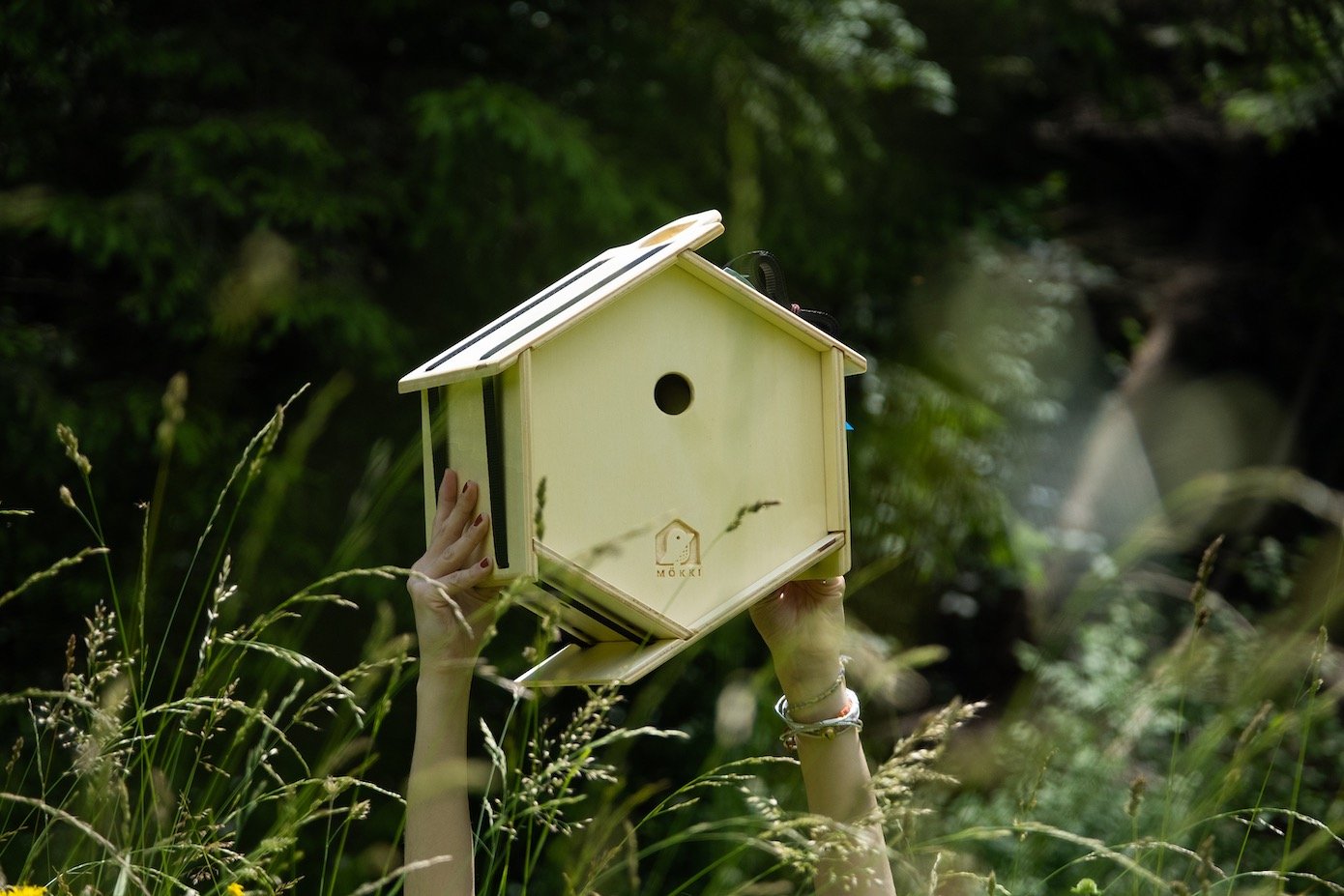
Birdhouses

Birdhouses provide safe nesting sites for birds:

  • Design: Choose birdhouses suited to the bird species you want to attract.
  • Placement: Install birdhouses at appropriate heights and in sheltered locations.


Insect Hotels

Insect hotels offer shelter for beneficial insects like bees and ladybugs:

  • Materials: Use natural materials like bamboo, wood, and straw.
  • Location: Place insect hotels in sunny, sheltered spots on your balcony.


Sustainable Gardening Practices

Implementing sustainable practices will ensure your balcony remains a healthy environment for wildlife.


Avoiding Pesticides

Chemical pesticides can harm wildlife. Instead, use organic pest control methods:

  • Natural Predators: Encourage natural predators like ladybugs and lacewings.
  • Companion Planting: Plant pest-repellent herbs and flowers.


Water Conservation

Use water wisely to maintain a healthy habitat:

  • Rainwater Collection: Use a small rainwater collection system if possible.
  • Drip Irrigation: Install drip irrigation systems to minimize water waste.
Ladybugs and other insects help mantaining your balcony a haven for biodiversity.

Long-Term Maintenance

Regular maintenance will keep your balcony wildlife-friendly year-round.


Seasonal Care

Adapt your care routines to the changing seasons:

  • Spring: Plant new flowers and herbs, clean birdhouses, and refresh insect hotels.
  • Summer: Water plants regularly, clean birdbaths, and monitor for pests.
  • Autumn: Collect seeds, prune plants, and prepare for winter.
  • Winter: Protect sensitive plants, provide extra food for birds, and plan for the next season.


Monitoring and Adjustments

Regularly observe the wildlife on your balcony and make adjustments as needed:

  • Plant Health: Ensure plants are healthy and thriving.
  • Wildlife Activity: Monitor the types of wildlife visiting and adjust your habitat to better suit their needs.

Creating a Bird-Friendly Balcony

Birds are some of the most rewarding visitors to your balcony. Here’s how to attract them.


Bird Feeders and Food

Different birds have different food preferences:

  • Seed Feeders: Attract finches, sparrows, and chickadees.
  • Suet Feeders: Ideal for woodpeckers and nuthatches.
  • Nectar Feeders: Perfect for hummingbirds.


Nesting Boxes

Install nesting boxes to encourage birds to breed on your balcony:

  • Species-Specific: Choose boxes designed for the bird species in your area.
  • Maintenance: Clean boxes annually to prevent disease.


Water Sources

Provide a reliable water source:

  • Birdbaths: Place in a safe, elevated position.
  • Water Features: Small fountains or trickling water can attract birds with the sound.
A robin (wild bird) resting on a branch. Here's how installing bird feeders in your green spaces (on your balconies in the city) helps protect biodiversity.

Attracting Insects

Insects play a crucial role in pollination and as a food source for other wildlife.


Pollinator Plants

Grow a variety of plants that attract pollinators:

  • Flowers: Plant species like marigolds, sunflowers, and cosmos.
  • Herbs: Include mint, rosemary, and sage.


Insect Hotels

Build or buy insect hotels:

  • Materials: Use untreated wood, bamboo, and straw.
  • Placement: Keep in a sunny, sheltered spot.


Water Sources for Insects

Provide water for insects:

  • Shallow Dishes: Use shallow dishes with pebbles for insects to land on.
  • Maintenance: Clean regularly to prevent algae and mosquito breeding.

Creating a Small Mammal-Friendly Space

While more challenging, it’s possible to attract small mammals even on a balcony.


Shelter and Food

Provide shelter and food sources:

  • Dense Planting: Create dense planting areas for shelter.
  • Food Plants: Grow plants that produce nuts, seeds, or berries.


Safe Access

Ensure safe access for small mammals:

  • Hanging Planters: Use hanging planters to create a bridge from nearby trees or structures.
  • Climbing Plants: Encourage climbing plants like ivy or honeysuckle.


A balcony that promotes biodiversity is a haven for small mammals, like squirrels.


Building a Mini-Ecosystem

Your balcony can become a mini-ecosystem that supports a variety of wildlife.


Layers of Habitat

Create multiple layers of habitat:

  • Ground Level: Use pots and planters at ground level.
  • Mid-Level: Include shelves or railing planters.
  • Upper Level: Utilize hanging baskets and trellises.


Biodiversity

Encourage a diverse range of species:

  • Plants: Use a variety of native plants.
  • Wildlife: Attract birds, insects, and small mammals.


Continuous Bloom

Ensure continuous bloom throughout the seasons:

  • Plant Selection: Choose plants that bloom at different times.
  • Seasonal Adjustments: Replace annuals and add new perennials as needed.


The Joy of Wildlife Watching

Transforming your balcony into a haven for wildlife brings numerous benefits.


Personal Satisfaction

Enjoy the beauty and activity of wildlife:

  • Stress Relief: Spending time with nature can reduce stress and improve mental health.
  • Educational Value: Learn about different species and their behaviors.


Environmental Impact

Support local biodiversity and environmental health:

  • Habitat Creation: Provide essential resources for wildlife.
  • Sustainable Practices: Reduce your environmental footprint with sustainable gardening.


Community Involvement

Share your love for wildlife with your community:

  • Neighborhood Initiatives: Encourage neighbors to create their own wildlife-friendly spaces.
  • Social Media: Share your experiences and tips online.

 

People meet to talk about biodiversity thanks to the commitment to maintaining a balcony that also promotes it in the city.

Start Your Balcony Transformation Today

Creating a wildlife-friendly balcony is a rewarding way to connect with nature and support local biodiversity. By following the simple steps outlined in this guide, you can transform your balcony into a vibrant haven for birds, insects, and small mammals. Remember, every small effort counts in creating a healthier environment. Start your balcony transformation today and enjoy the beauty and joy of welcoming wildlife into your space.


Remember:

“The smallest balcony can be a haven for wildlife if we just let it”.

Cris Tumedei & Andrea Pregl – Ulap design

By following the guidelines in this article, you can transform your green space into a thriving, biodiverse haven that supports local wildlife and enriches your own life. Join us on this journey, and together, let's make a positive impact on our environment, one green space at a time.
Get in Touch

Have questions or need assistance? We’re here to help. Contact us through our form, email, or social media channels.

reach us on social media