Before you start, take a good look at your balcony:
- Size and Layout: Understand the dimensions and layout.
- Sunlight and Shade: Identify areas that receive full sun, partial shade, and full shade.
- Wind Exposure: Note the direction and intensity of wind exposure.
Choosing the Right Plants
Plants are the foundation of any wildlife-friendly space. Opt for native species that are well-adapted to your local climate and provide essential resources for wildlife.
Native Plants
Native plants attract local wildlife and require less maintenance:
- Research Local Species: Use resources like local extension offices and native plant societies.
- Diverse Plantings: Incorporate a variety of plants, including flowers, shrubs, and small trees, to provide food and shelter.
Pollinator-Friendly Plants
Pollinators like bees and butterflies are crucial for a thriving ecosystem:
- Flowers: Choose flowers with a variety of bloom times to ensure a continuous food source.
- Herbs: Plant herbs like lavender, thyme, and mint, which are attractive to pollinators.

Providing Food and Water
Food and water sources are vital to attract and sustain wildlife on your balcony.
Bird Feeders
Bird feeders are a simple way to attract a variety of birds:
- Types of Feeders: Use different feeders for seeds, suet, and nectar to cater to different bird species.
- Placement: Position feeders in sheltered areas to protect birds from wind and predators.
Water Sources
Provide fresh water for drinking and bathing:
- Birdbaths: Install a small birdbath or a shallow dish of water.
- Maintenance: Clean and refill water sources regularly to prevent stagnation and mosquito breeding.
Shelter is essential for wildlife to feel safe and to encourage nesting.
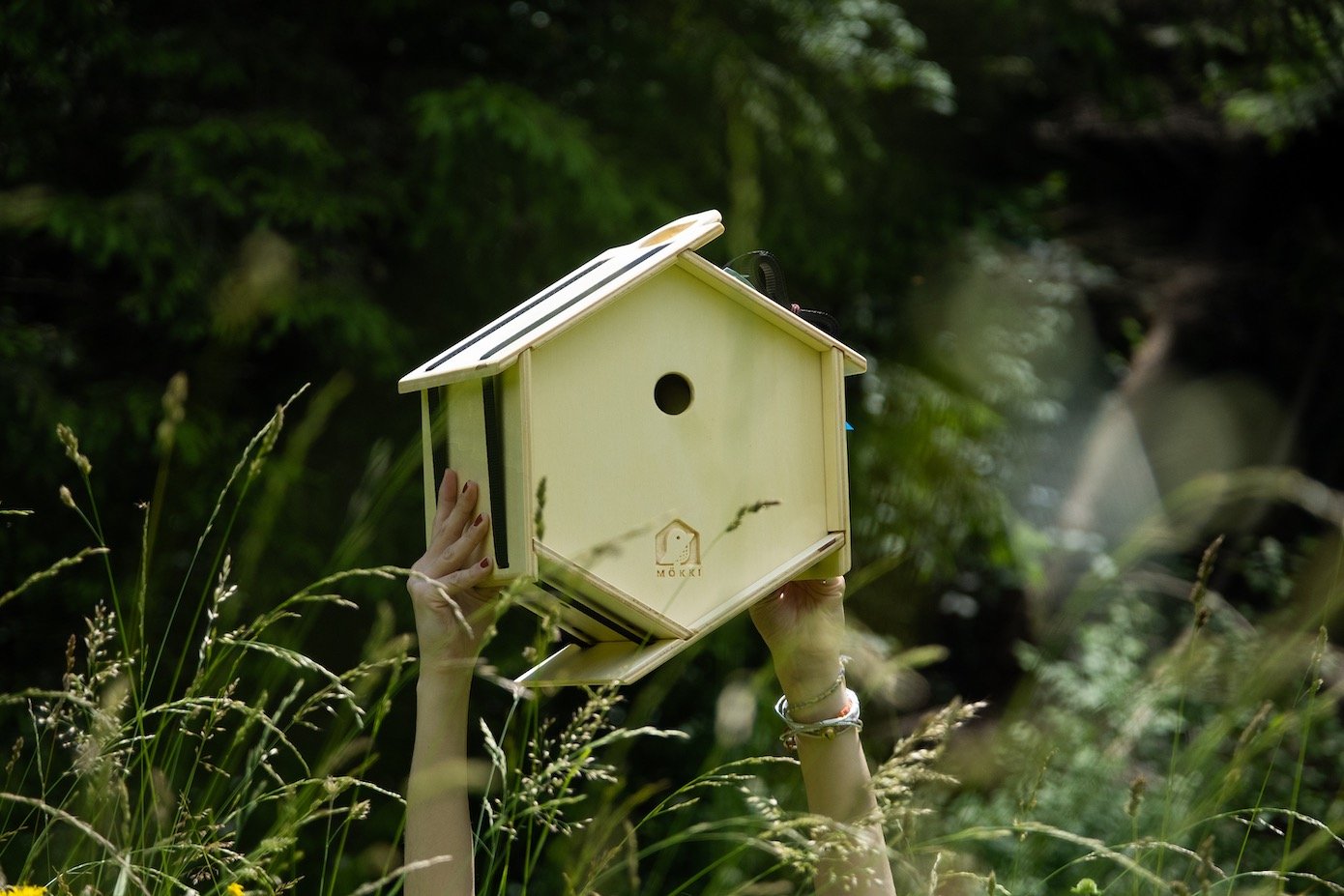
Birdhouses
Birdhouses provide safe nesting sites for birds:
- Design: Choose birdhouses suited to the bird species you want to attract.
- Placement: Install birdhouses at appropriate heights and in sheltered locations.

Insect Hotels
Insect hotels offer shelter for beneficial insects like bees and ladybugs:
- Materials: Use natural materials like bamboo, wood, and straw.
- Location: Place insect hotels in sunny, sheltered spots on your balcony.
Sustainable Gardening Practices
Implementing sustainable practices will ensure your balcony remains a healthy environment for wildlife.
Avoiding Pesticides
Chemical pesticides can harm wildlife. Instead, use organic pest control methods:
- Natural Predators: Encourage natural predators like ladybugs and lacewings.
- Companion Planting: Plant pest-repellent herbs and flowers.
Water Conservation
Use water wisely to maintain a healthy habitat:
- Rainwater Collection: Use a small rainwater collection system if possible.
- Drip Irrigation: Install drip irrigation systems to minimize water waste.


While more challenging, it’s possible to attract small mammals even on a balcony.
Shelter and Food
Provide shelter and food sources:
- Dense Planting: Create dense planting areas for shelter.
- Food Plants: Grow plants that produce nuts, seeds, or berries.
Safe Access
Ensure safe access for small mammals:
- Hanging Planters: Use hanging planters to create a bridge from nearby trees or structures.
- Climbing Plants: Encourage climbing plants like ivy or honeysuckle.

Building a Mini-Ecosystem
Your balcony can become a mini-ecosystem that supports a variety of wildlife.
Layers of Habitat
Create multiple layers of habitat:
- Ground Level: Use pots and planters at ground level.
- Mid-Level: Include shelves or railing planters.
- Upper Level: Utilize hanging baskets and trellises.
Biodiversity
Encourage a diverse range of species:
- Plants: Use a variety of native plants.
- Wildlife: Attract birds, insects, and small mammals.
Continuous Bloom
Ensure continuous bloom throughout the seasons:
- Plant Selection: Choose plants that bloom at different times.
- Seasonal Adjustments: Replace annuals and add new perennials as needed.
The Joy of Wildlife Watching
Transforming your balcony into a haven for wildlife brings numerous benefits.
Personal Satisfaction
Enjoy the beauty and activity of wildlife:
- Stress Relief: Spending time with nature can reduce stress and improve mental health.
- Educational Value: Learn about different species and their behaviors.
Environmental Impact
Support local biodiversity and environmental health:
- Habitat Creation: Provide essential resources for wildlife.
- Sustainable Practices: Reduce your environmental footprint with sustainable gardening.
Community Involvement
Share your love for wildlife with your community:
- Neighborhood Initiatives: Encourage neighbors to create their own wildlife-friendly spaces.
- Social Media: Share your experiences and tips online.