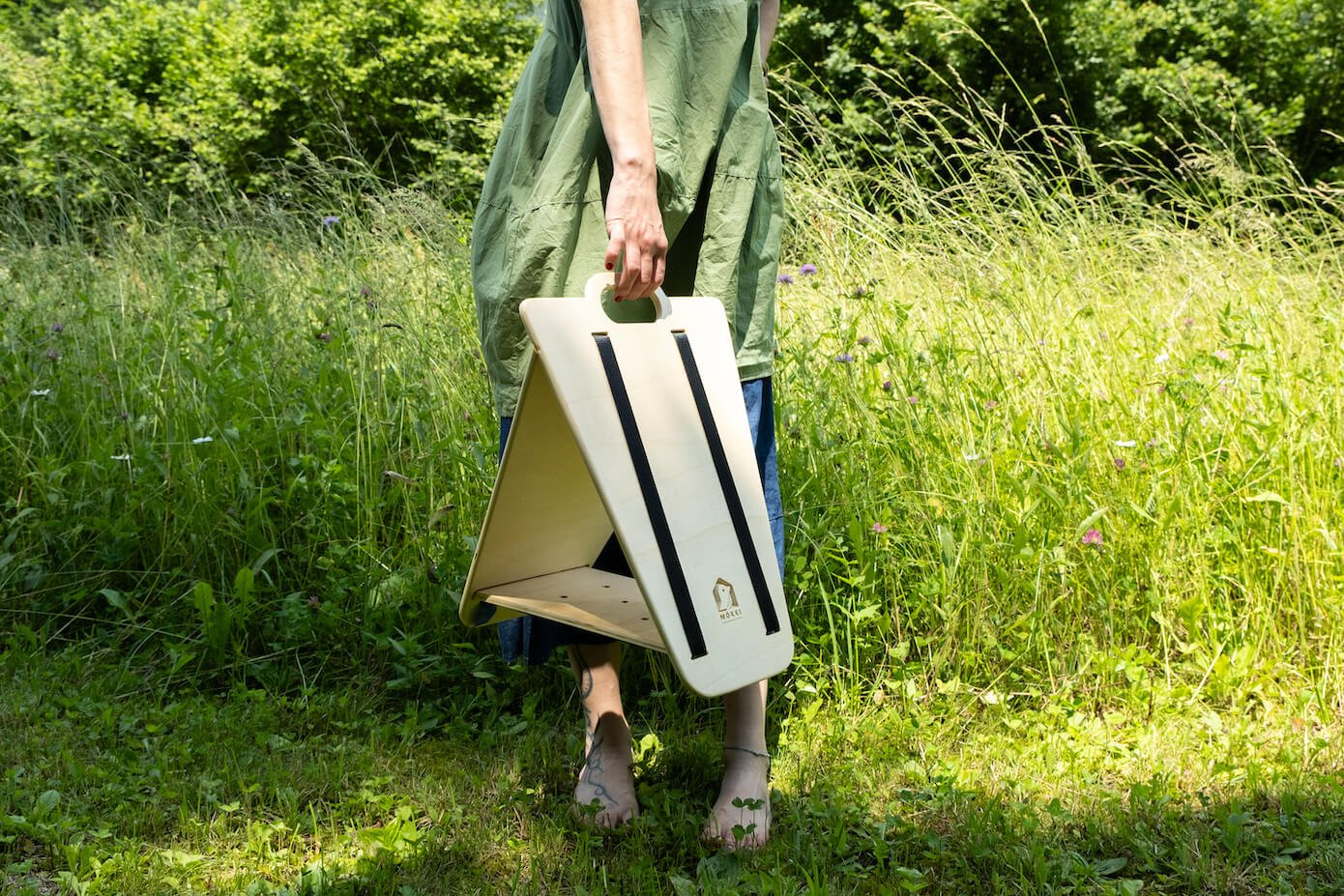
Discover the essential guide to selecting the perfect birdhouse for your local birds. Learn about the key factors, best practices, and tips to attract and support different bird species in your backyard.
Providing birdhouses in your backyard is a wonderful way to support local bird populations, enjoy birdwatching, and contribute to biodiversity. This comprehensive guide will help you choose the right birdhouse for the birds in your area, considering factors such as bird species, house design, materials, and maintenance.
Understanding Your Local Birds
Identify Local Bird Species
Before you choose a birdhouse, it’s crucial to know which bird species are native to your area. Here’s how to start:
- Field Guides: Use regional bird field guides to identify local species.
- Online Databases: Websites like eBird and the Audubon Society provide detailed information on bird distributions.
- Local Birding Groups: Join local birdwatching groups or forums to get insights from experienced birders.
Nesting Habits
Different bird species have different nesting habits. Understanding these habits will guide you in selecting the right birdhouse:
- Cavity Nesters: Birds like bluebirds, chickadees, and woodpeckers prefer enclosed spaces.
- Platform Nesters: Species such as robins and phoebes prefer open platforms.
- Ground Nesters: Birds like killdeer nest on the ground and do not use birdhouses.
Key Factors in Choosing a Birdhouse
Size and Entrance Hole
The size of the birdhouse and the entrance hole is critical. Here are general guidelines for some common birds:
- Bluebirds: House dimensions: 5×5 inches, entrance hole: 1.5 inches diameter.
- Wrens and Chickadees: House dimensions: 4×4 inches, entrance hole: 1.125 inches diameter.
- Woodpeckers: House dimensions: 6×6 inches, entrance hole: 2 inches diameter.
Material and Construction
Choose durable, non-toxic materials to ensure the safety and longevity of the birdhouse:
- Wood: Cedar and pine are excellent choices due to their durability and insulation properties.
- Avoid Treated Wood: Chemicals in treated wood can be harmful to birds.
- Proper Ventilation: Ensure the birdhouse has ventilation holes to regulate temperature and prevent overheating.
Placement and Mounting
Proper placement of birdhouses is essential to attract birds and protect them from predators:
- Height: Install birdhouses at appropriate heights depending on the species (e.g., bluebirds: 4-6 feet, chickadees: 5-15 feet).
- Orientation: Face the entrance hole away from prevailing winds and towards open spaces.
- Predator Guards: Use baffles or metal plates to deter predators like raccoons and cats.
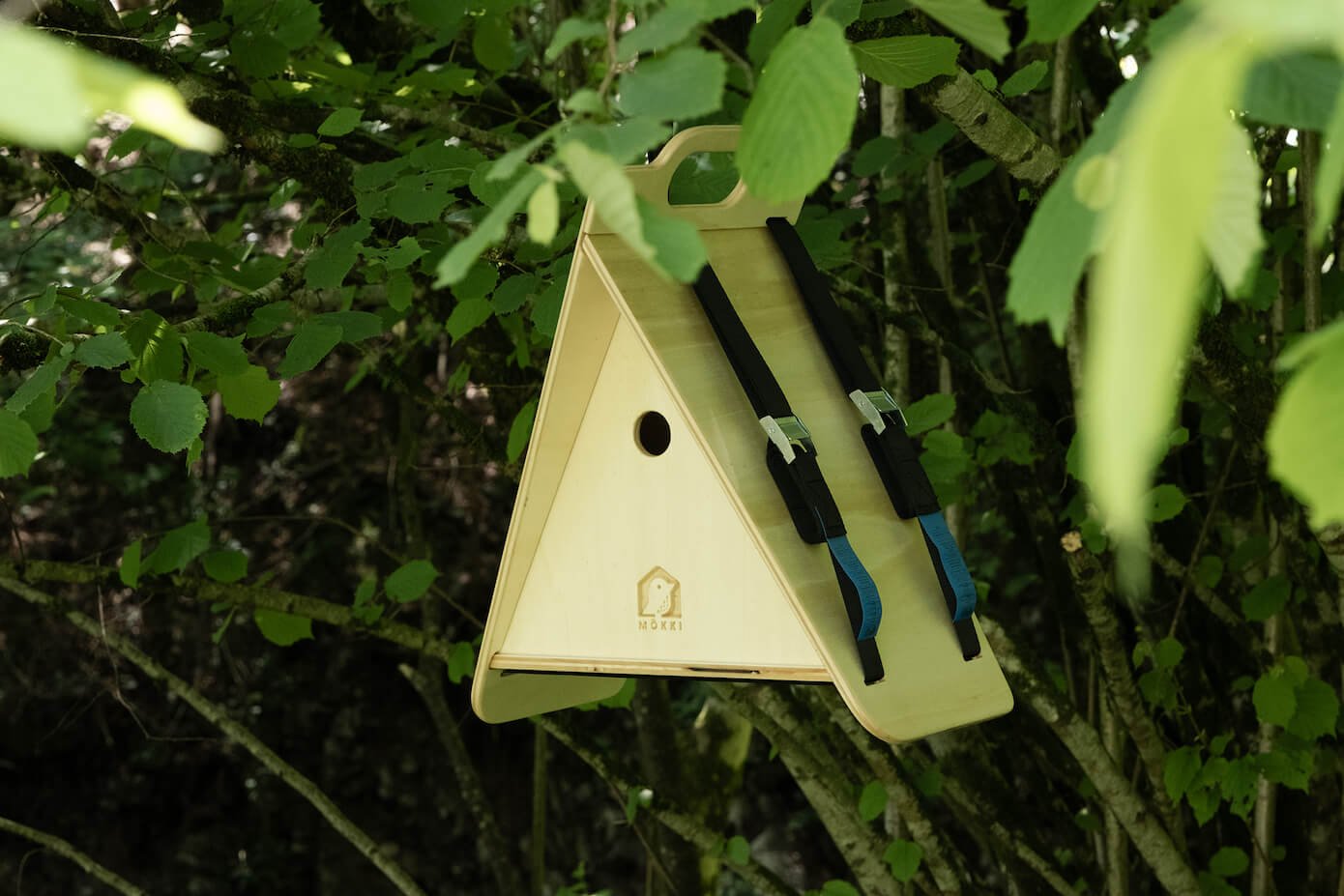
Best Birdhouses for Different Species
Bluebirds
- Design: Single compartment with a sloped roof to shed rain.
- Features: 1.5-inch entrance hole, 4-6 feet above ground, placed in open areas with scattered trees.
Chickadees
- Design: Smaller houses with a 1.125-inch entrance hole.
- Features: Place 5-15 feet high in wooded or semi-wooded areas.
Wrens
- Design: Compact houses with a 1-inch entrance hole.
- Features: Hang 5-10 feet above ground, preferably near shrubs or thickets.
Woodpeckers
- Design: Larger boxes with a 2-inch entrance hole.
- Features: Mount 10-20 feet high on tree trunks in wooded areas.

DIY Birdhouse Tips
Building Your Own Birdhouse
Creating a birdhouse can be a rewarding DIY project. Follow these steps:
- Materials: Gather untreated wood, nails or screws, and non-toxic paint or sealant.
- Cutting: Use a saw to cut the wood into the required dimensions.
- Assembly: Assemble the birdhouse with nails or screws, ensuring a secure fit.
- Finishing Touches: Sand the edges to prevent injury to birds and paint with non-toxic paint if desired.
Pre-made Birdhouses
If you prefer to buy a birdhouse, ensure it meets these criteria:
- Quality: Choose birdhouses made from durable, weather-resistant materials.
- Size: Verify the dimensions and entrance hole size match the needs of your target bird species.
- Features: Look for birdhouses with easy access for cleaning and maintenance.

Maintenance and Care
Seasonal Maintenance
Regular maintenance ensures birdhouses remain safe and inviting:
- Spring: Clean the birdhouse before the breeding season starts.
- Summer: Check for active nests and monitor for pests.
- Autumn: Clean out old nests and debris.
- Winter: Inspect for damage and make necessary repairs.
Cleaning Tips
- Frequency: Clean birdhouses at least once a year, preferably in early spring.
- Method: Use a mild bleach solution (one part bleach to nine parts water) to disinfect. Rinse thoroughly and let dry before reassembly.
- Safety: Wear gloves and a mask to protect against dust and pathogens.
Creating a Bird-Friendly Backyard
Planting Native Vegetation
Native plants provide food and shelter for birds. Consider these options:
- Trees: Oaks, maples, and pines for nesting and foraging.
- Shrubs: Berry-producing shrubs like elderberry and serviceberry.
- Flowers: Native wildflowers to attract insects, a primary food source for many birds.
Providing Water Sources
Birds need fresh water for drinking and bathing. Install birdbaths or small ponds:
- Birdbaths: Place in open areas with nearby cover for safety.
- Ponds: Include shallow edges and rocks for perching and bathing.
Avoiding Pesticides
Chemicals can harm birds directly or indirectly by reducing their food sources. Adopt organic gardening practices:
- Companion Planting: Use natural pest deterrents like marigolds.
- Biological Controls: Introduce beneficial insects to manage pests.
Engaging with Your Local Birding Community
Join Birdwatching Groups
Engaging with local birding groups can enhance your birdwatching experience:
- Events: Participate in bird counts, walks, and workshops.
- Networking: Connect with experienced birders to share tips and insights.
Contribute to Citizen Science
Help track bird populations and contribute to research:
- eBird: Submit your bird sightings to help scientists track bird distributions.
- NestWatch: Monitor and report on nesting success in your birdhouses.
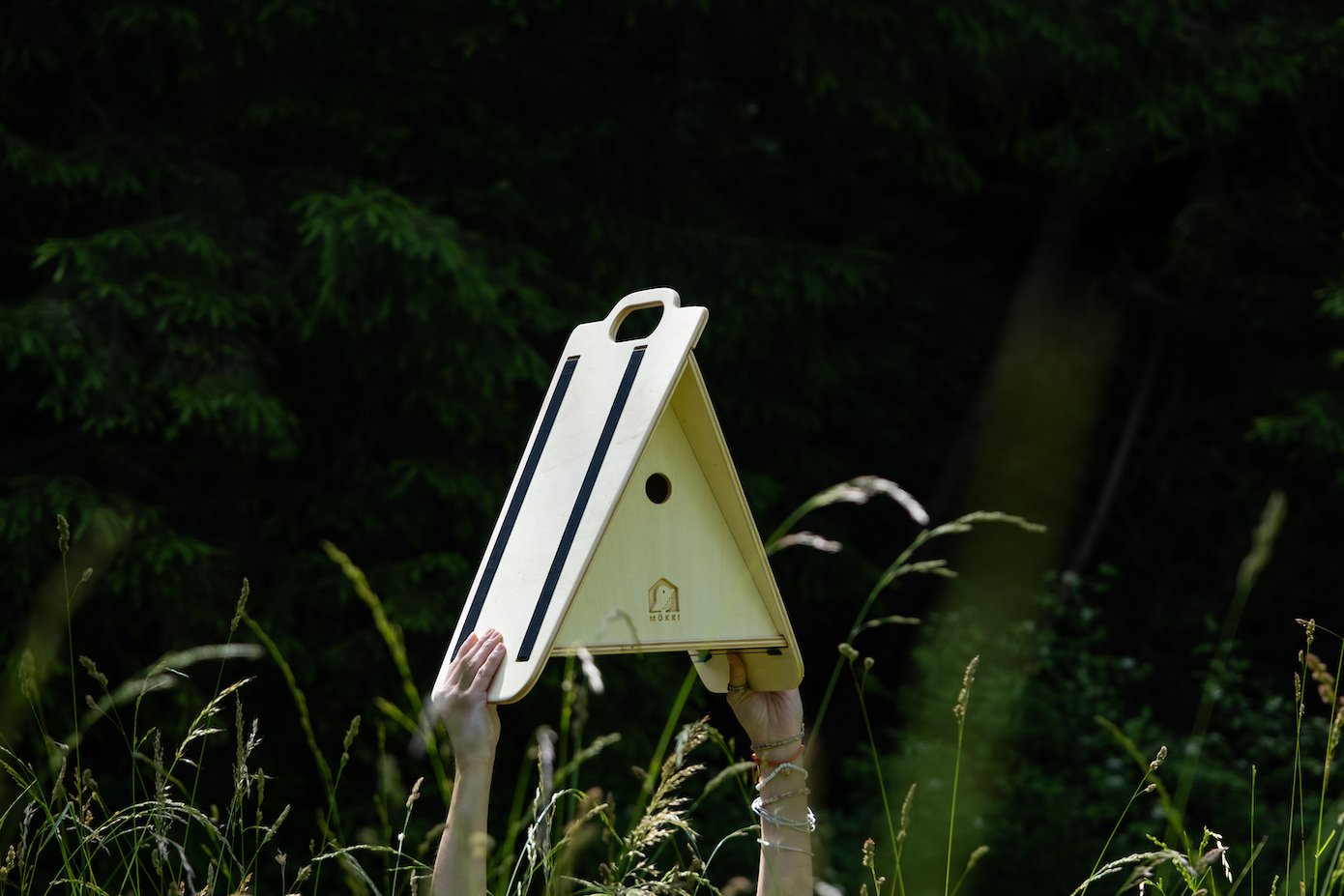
Long-Term Benefits of Birdhouses
Environmental Impact
Providing birdhouses has several long-term benefits:
- Biodiversity: Supports local bird populations and biodiversity.
- Pest Control: Birds naturally control insect populations, reducing the need for pesticides.
- Pollination: Some birds contribute to pollination, supporting plant health.
Personal Satisfaction
Birdwatching and maintaining birdhouses can enrich your life:
- Stress Relief: Spending time in nature can reduce stress and improve mental health.
- Education: Learning about birds and their behaviors can be a rewarding hobby.
- Aesthetic Enjoyment: Birds add beauty and song to your garden, enhancing your outdoor space.
Start Your Birdhouse Journey Today
Choosing the right birdhouse is a thoughtful way to support your local bird populations and enjoy the beauty of nature. Whether you decide to build your own or purchase a pre-made birdhouse, the key is to match the house to the needs of your local bird species. By following the guidelines in this comprehensive guide, you can create a bird-friendly backyard that benefits both the birds and your personal well-being.
Remember, each small step you take contributes to the larger goal of supporting biodiversity and creating a healthier environment. Start your birdhouse journey today and experience the joy of welcoming birds into your backyard.
Remember:
“In order to see birds it is necessary to become a part of the silence”.
– Robert Lynd
By following the guidelines in this article, you can transform your green space into a thriving, biodiverse haven that supports local wildlife and enriches your own life. Join us on this journey, and together, let's make a positive impact on our environment, one green space at a time.
Get in Touch
Have questions or need assistance? We’re here to help. Contact us through our form, email, or social media channels.